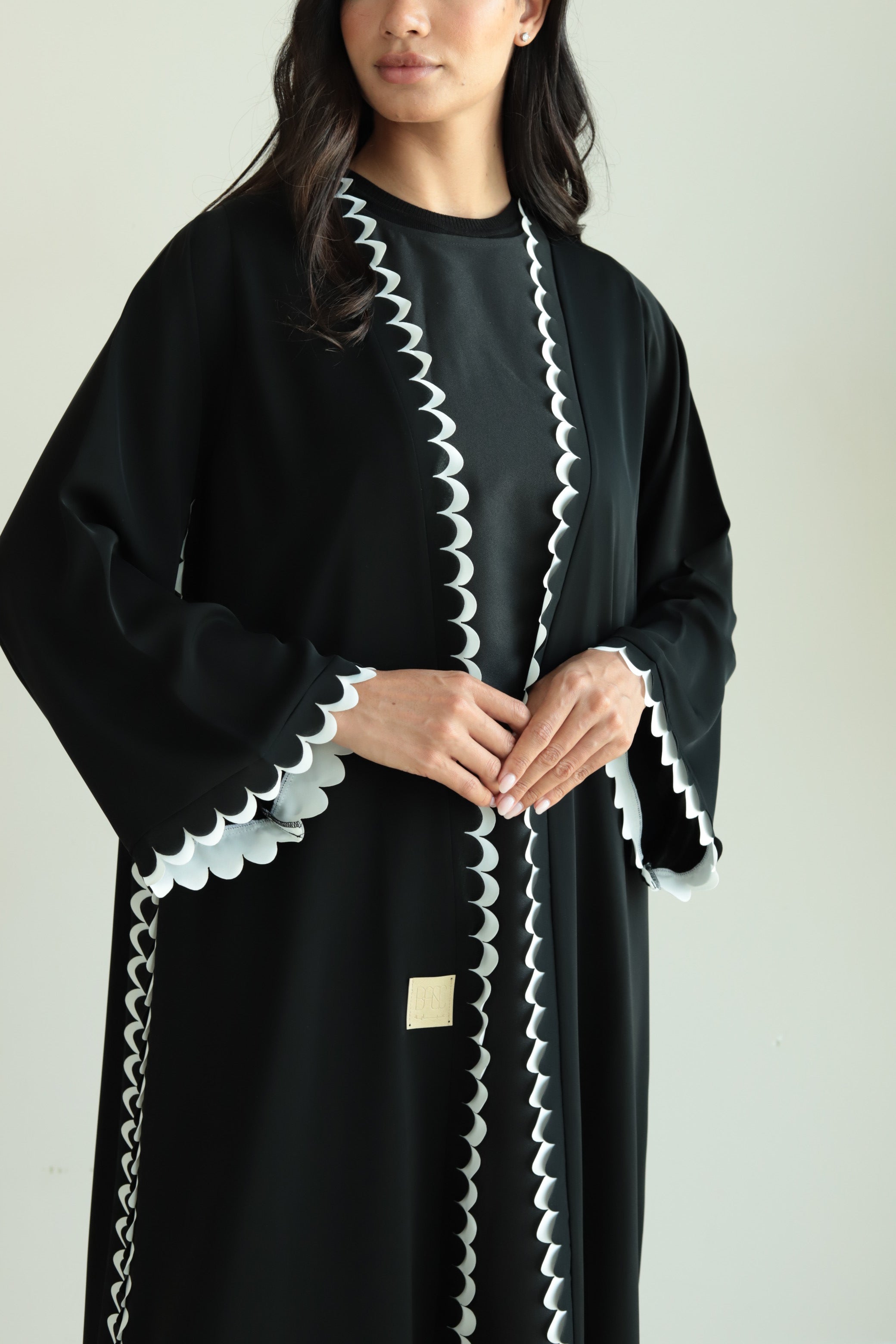
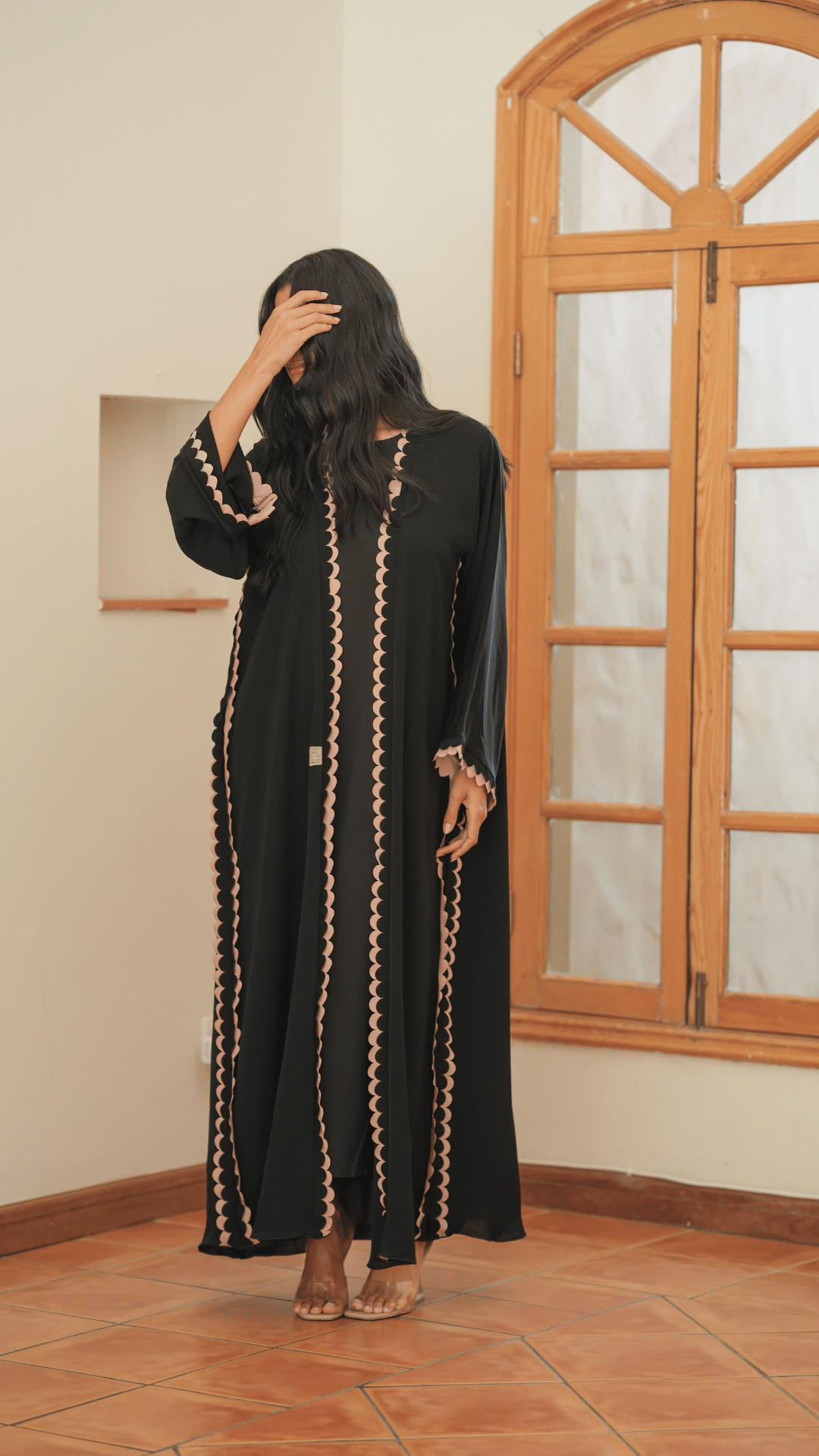
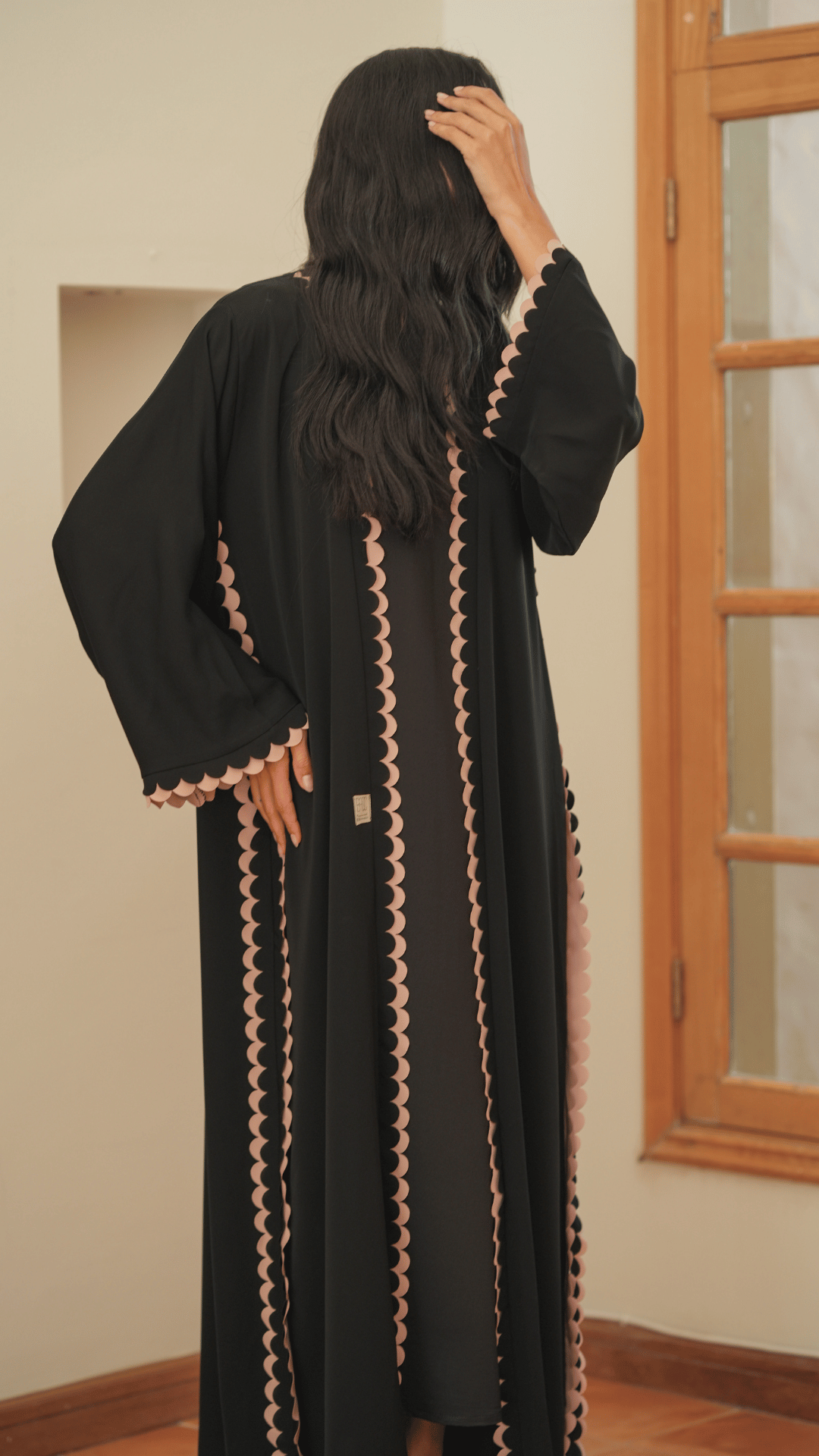
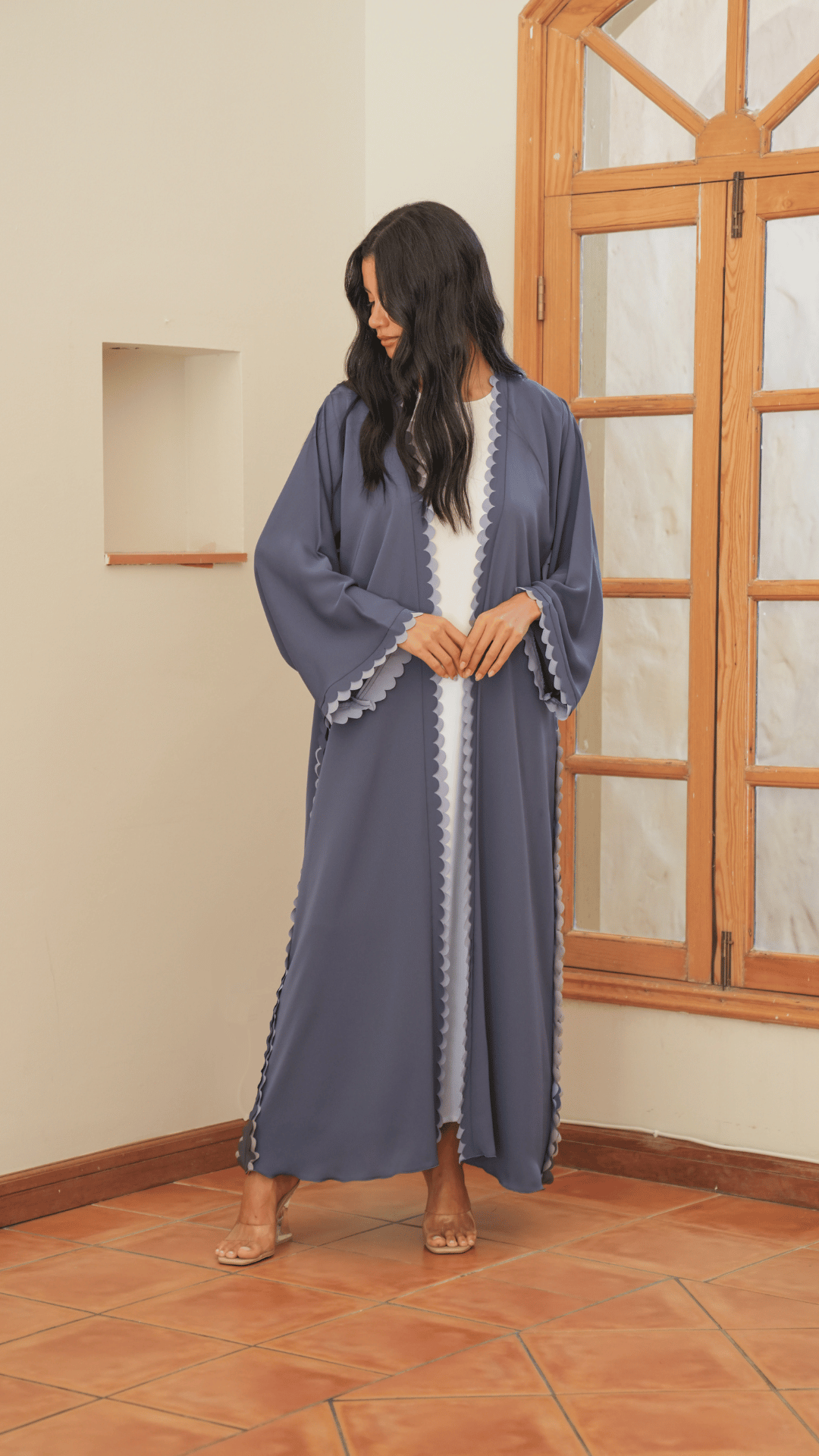
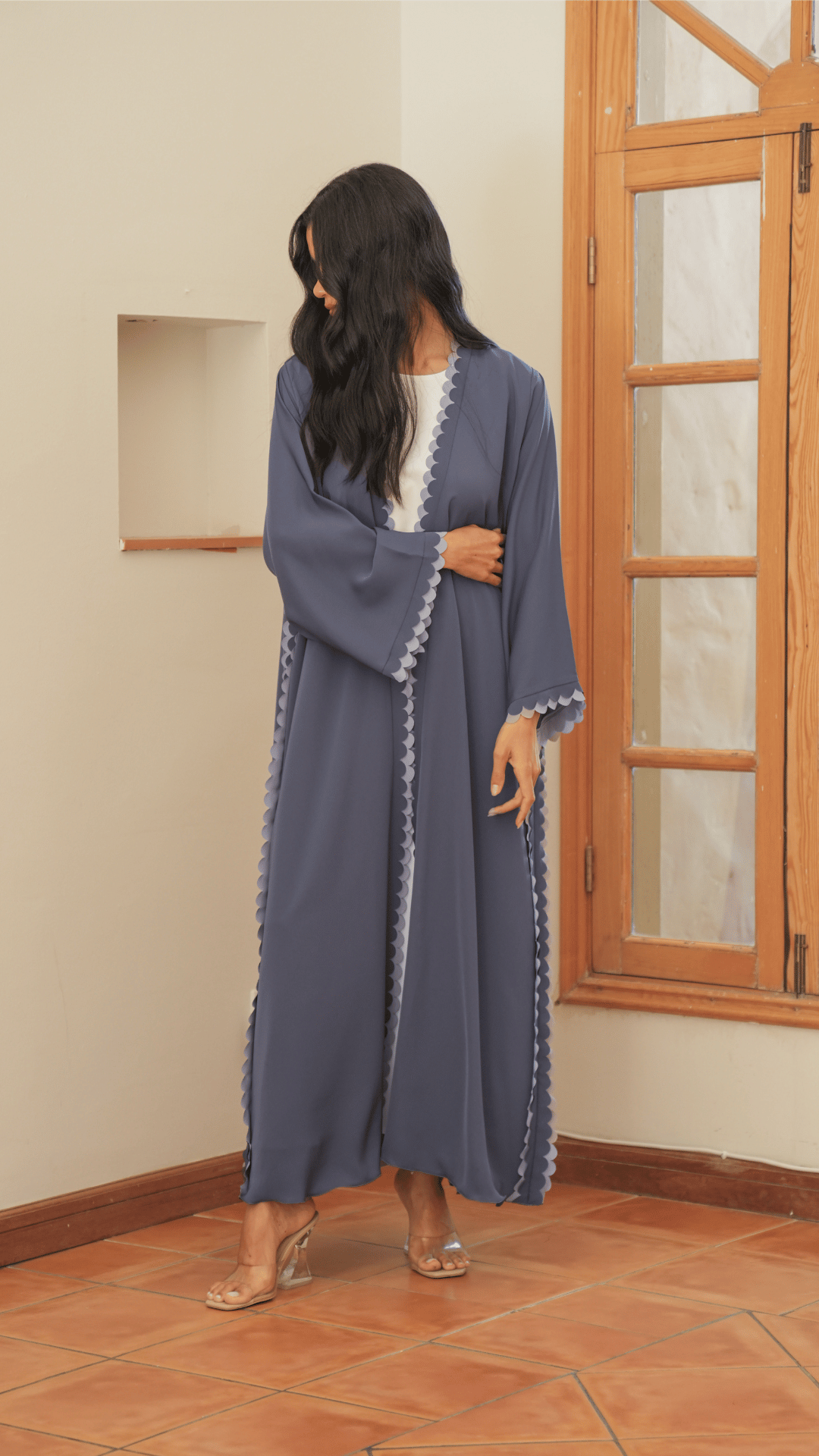
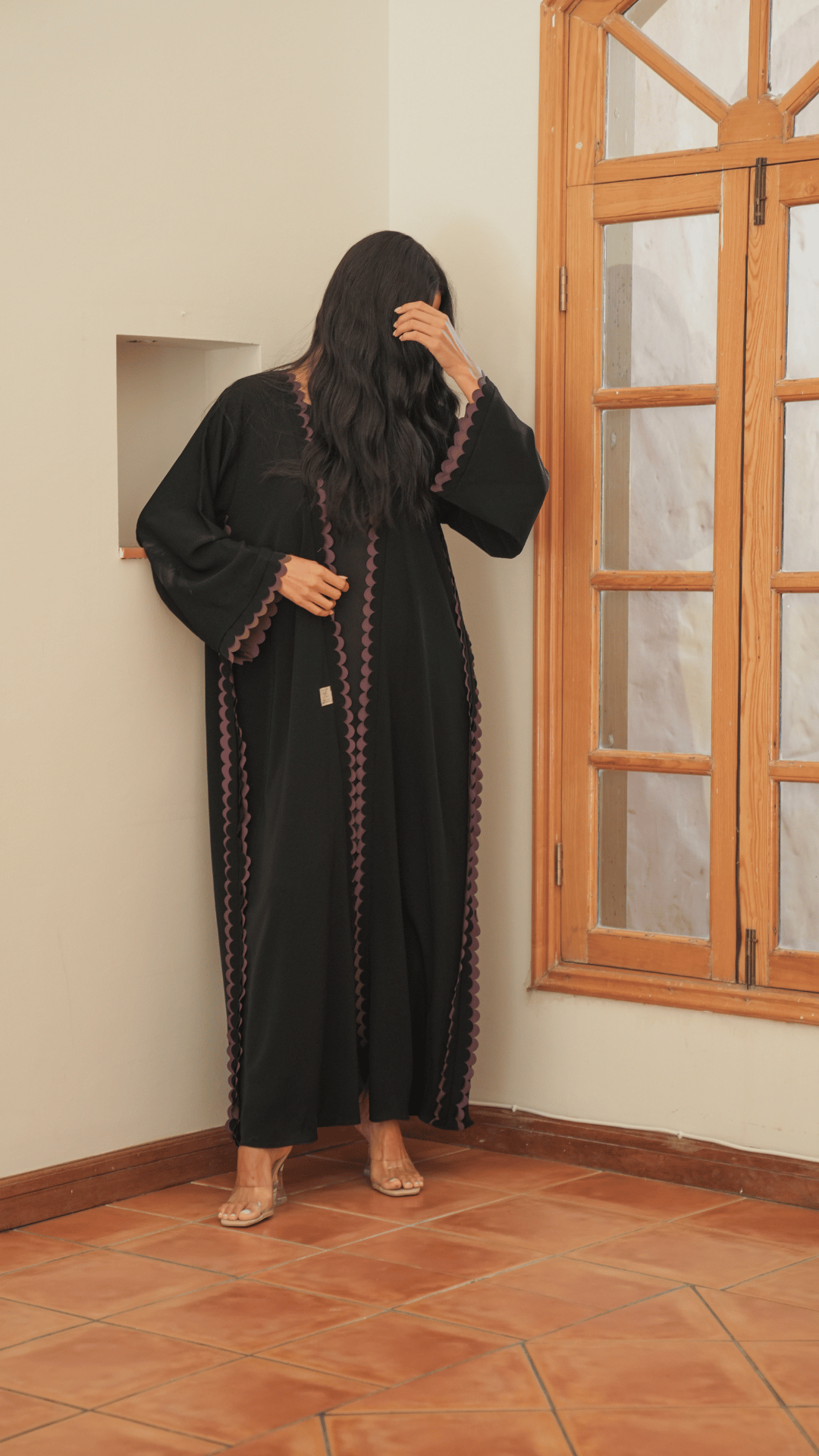
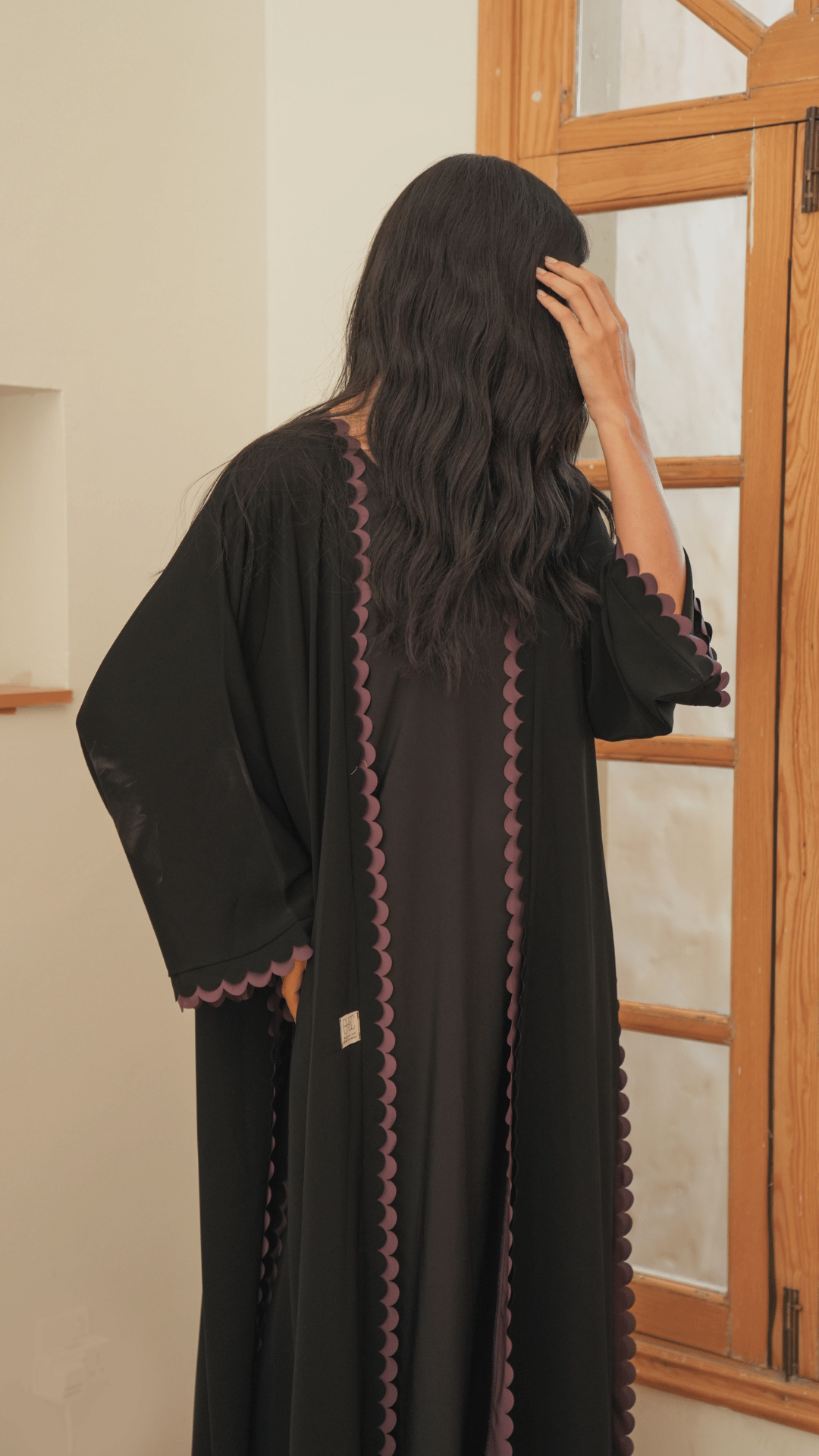
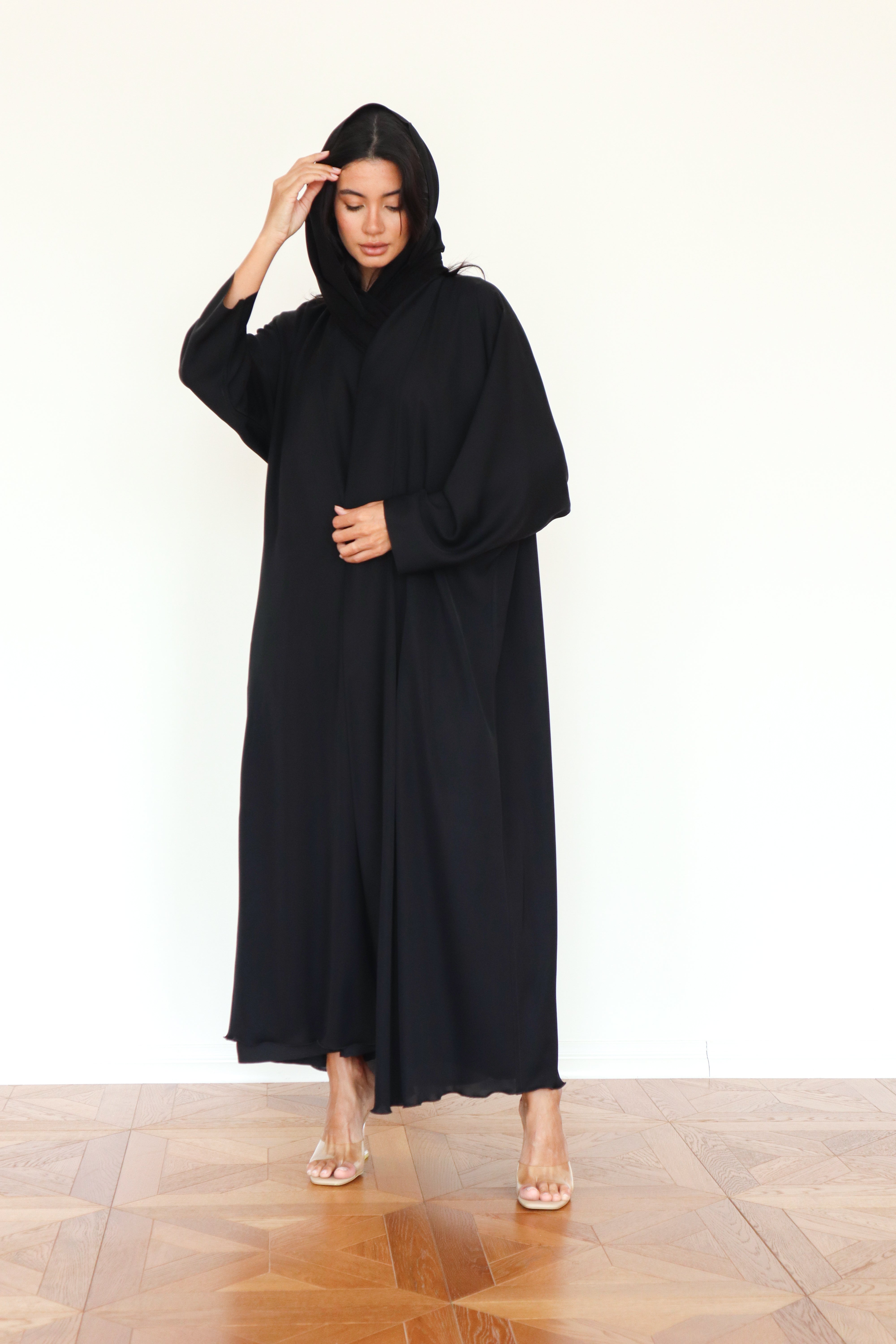
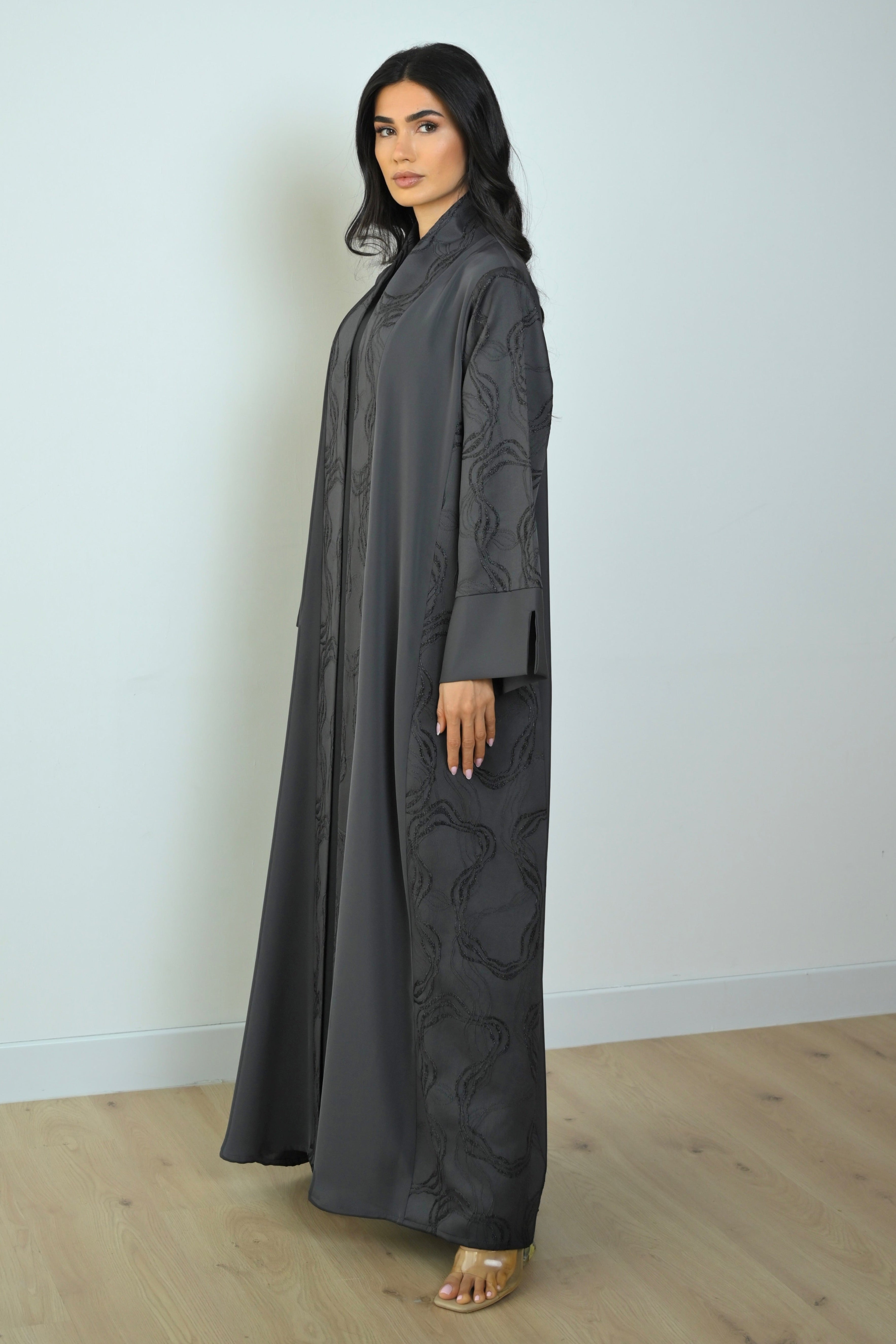
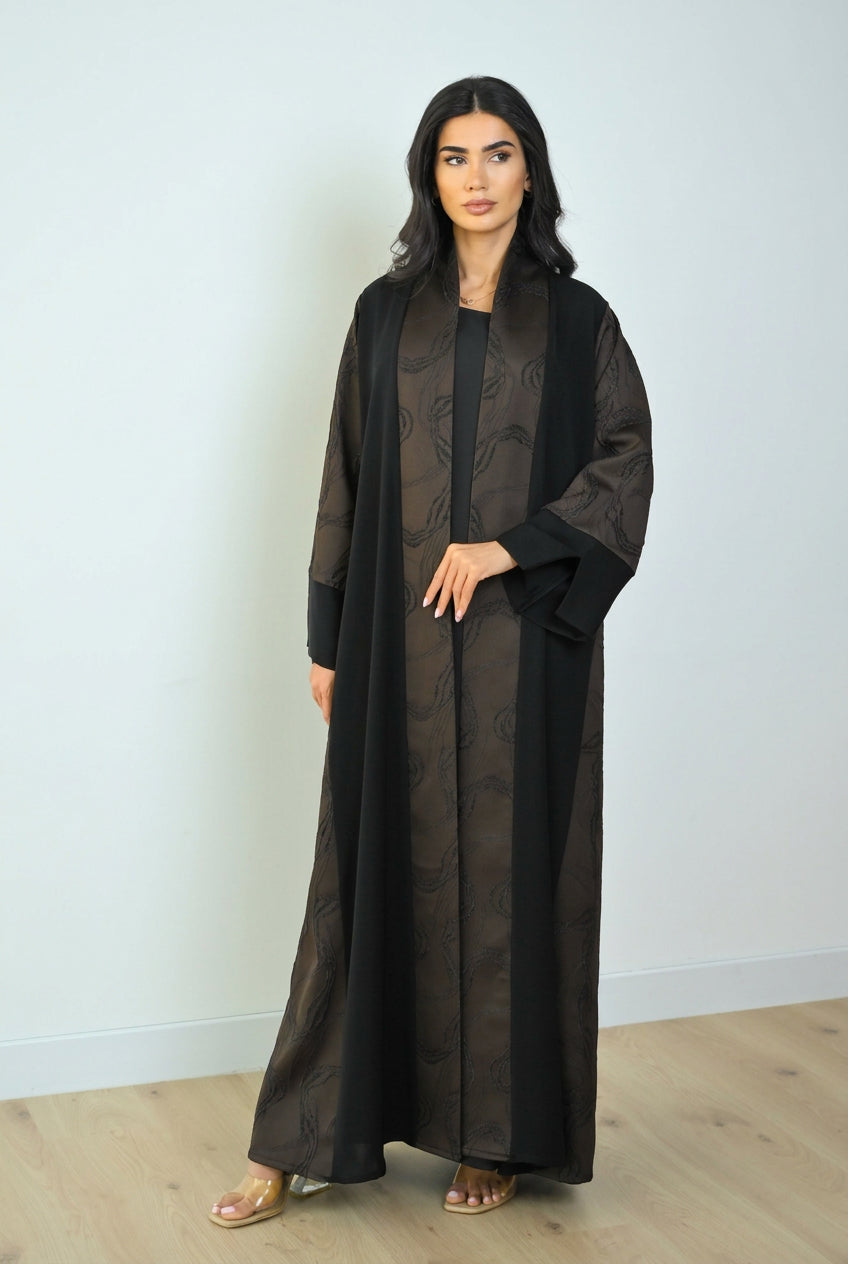
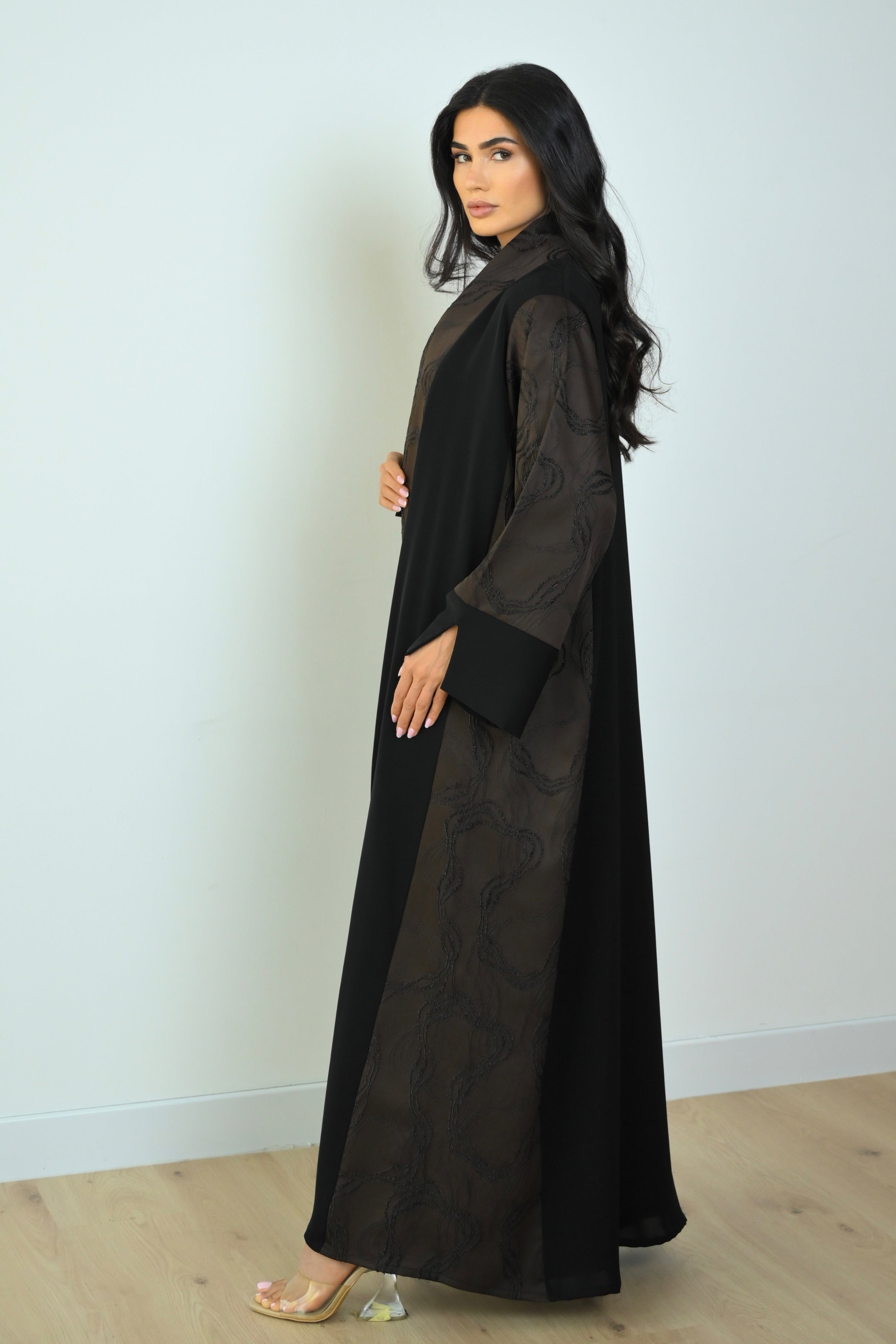
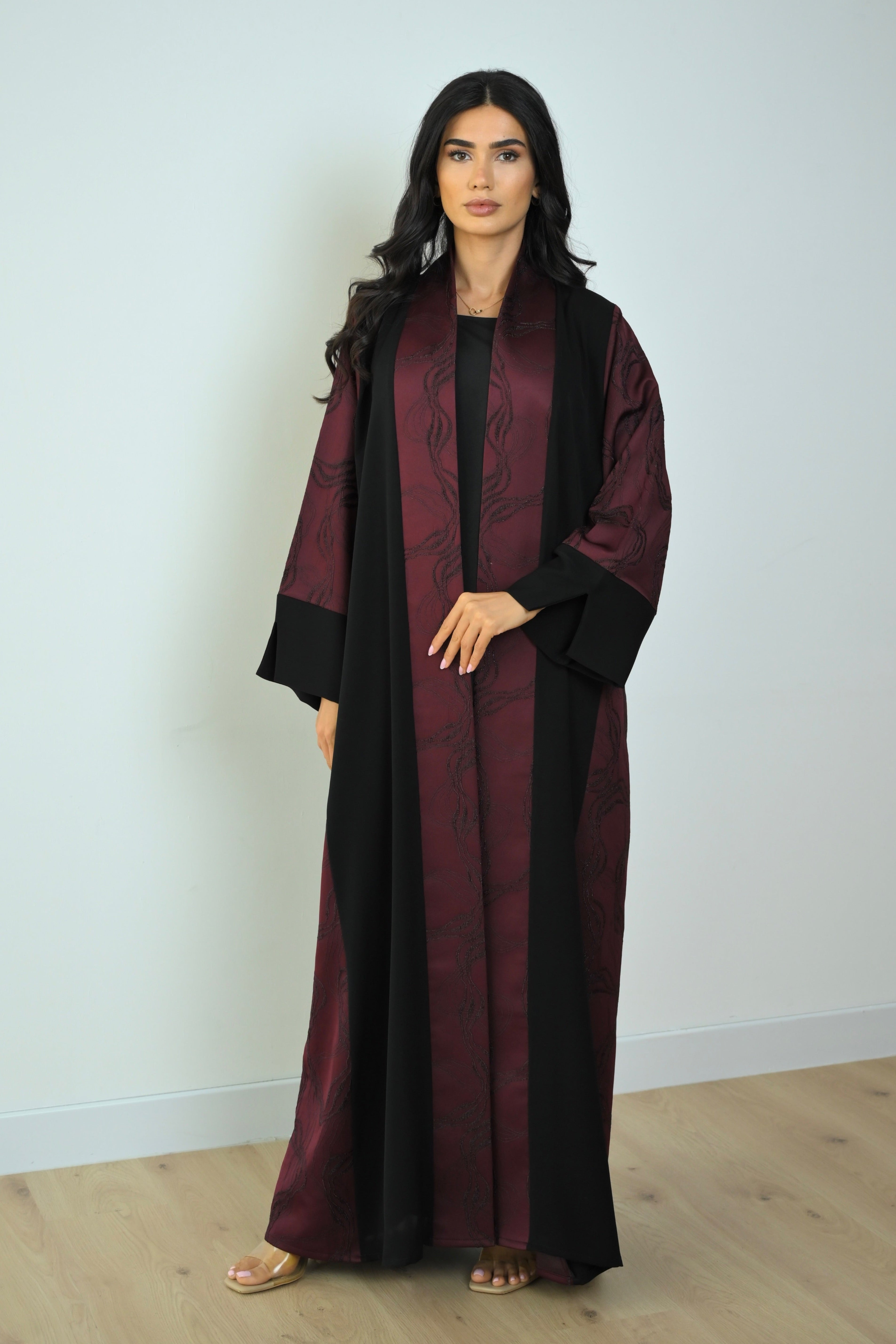
What Is Nida Fabric and Why Is It the Most Popular Choice for Abayas?
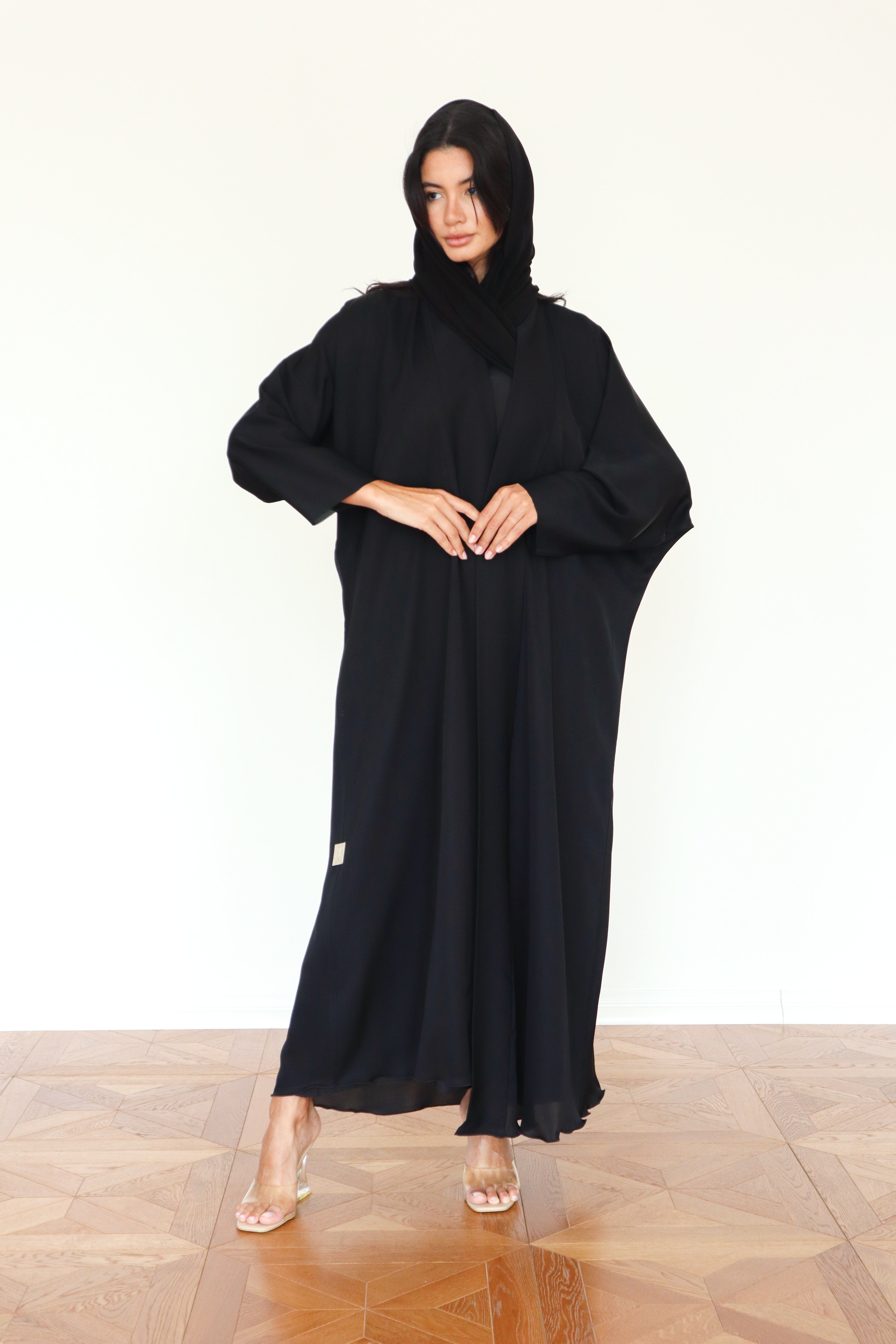
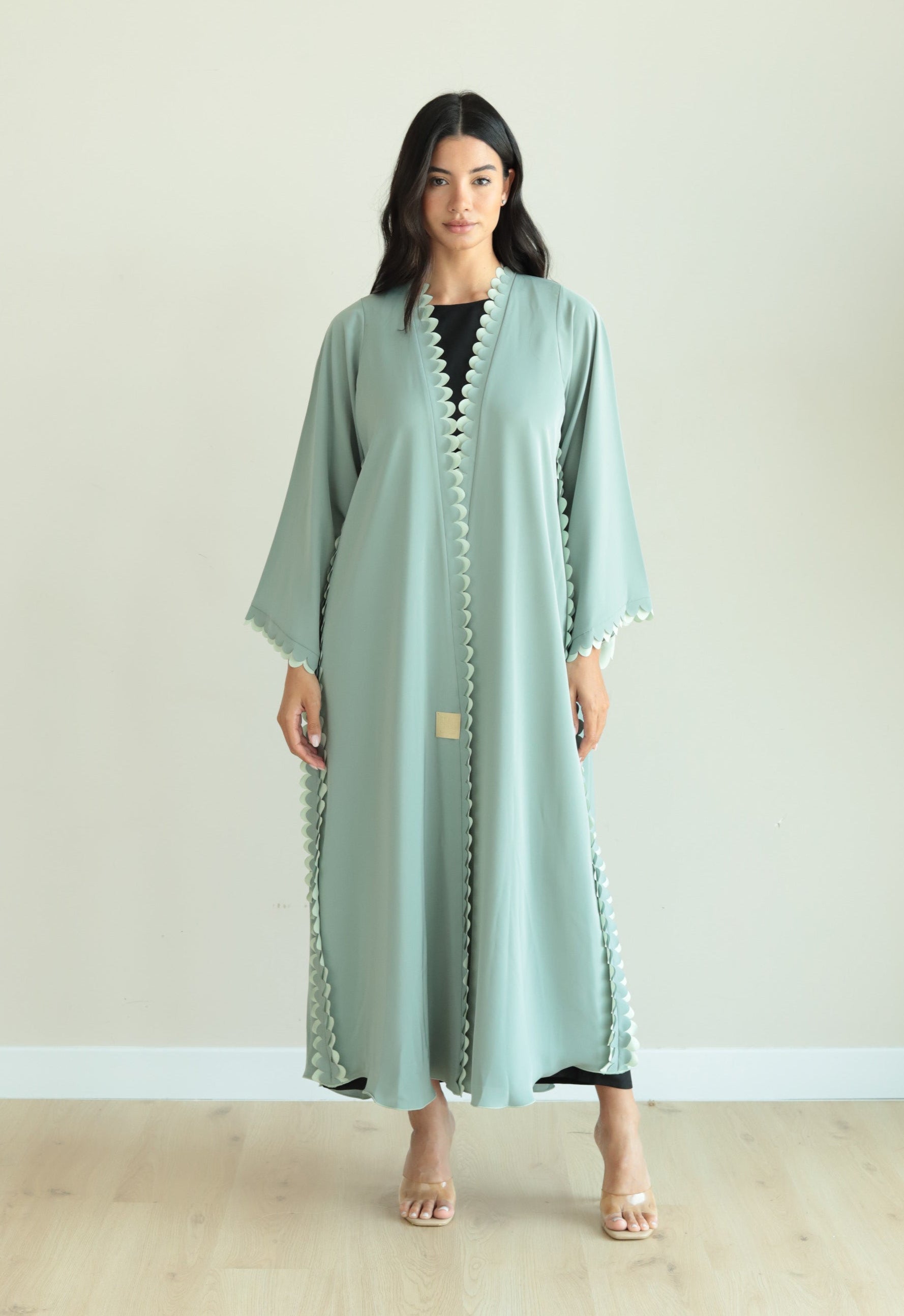
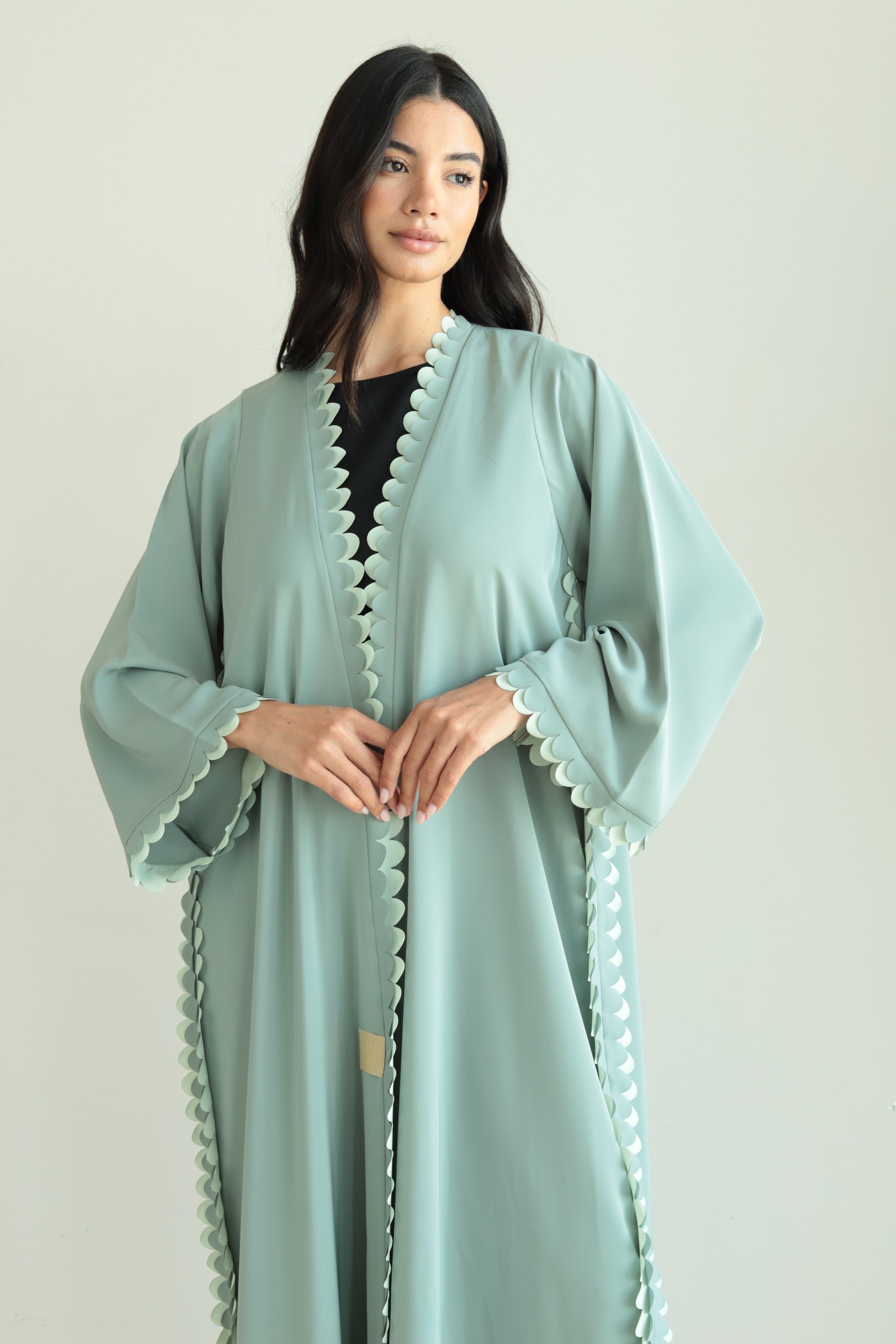
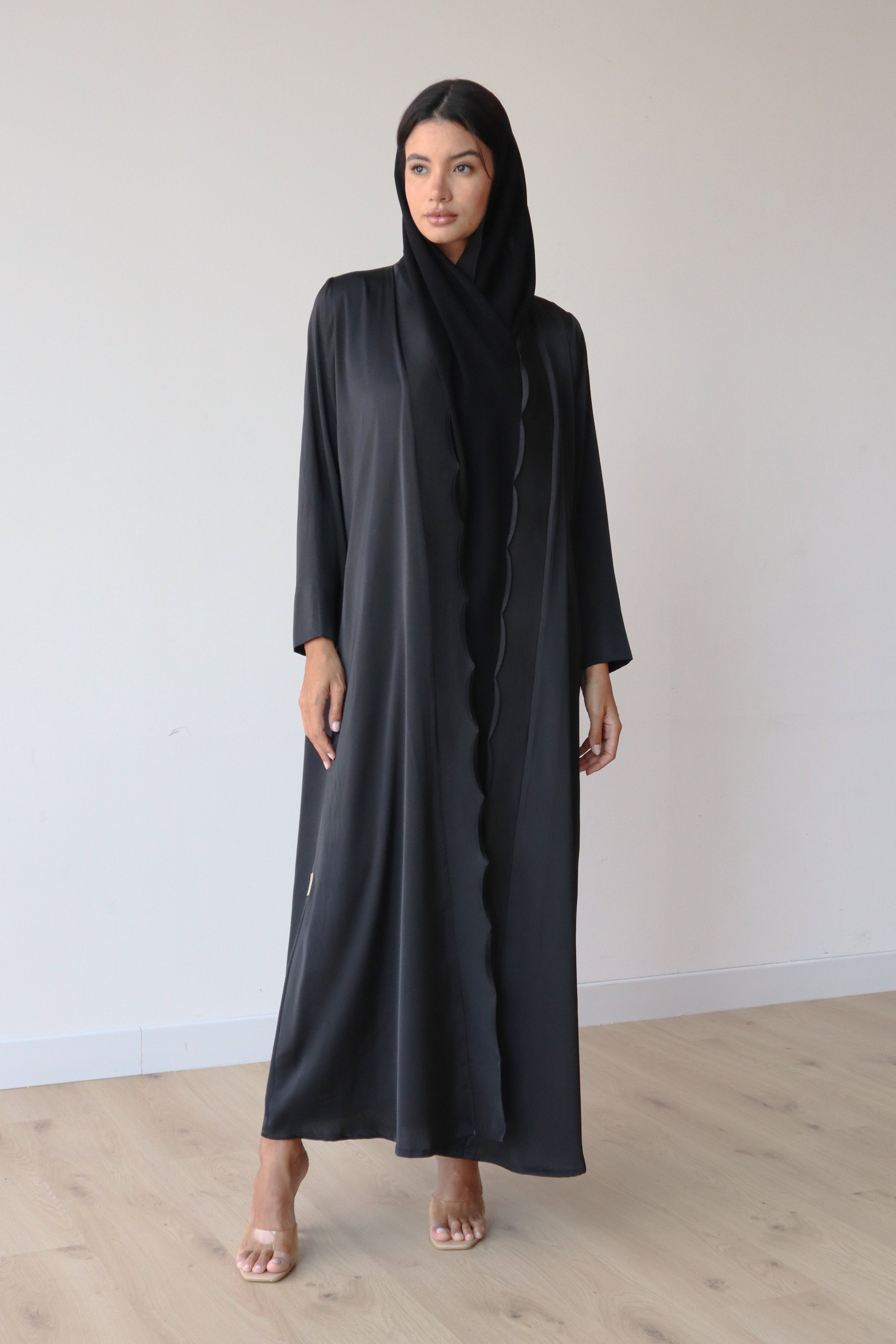
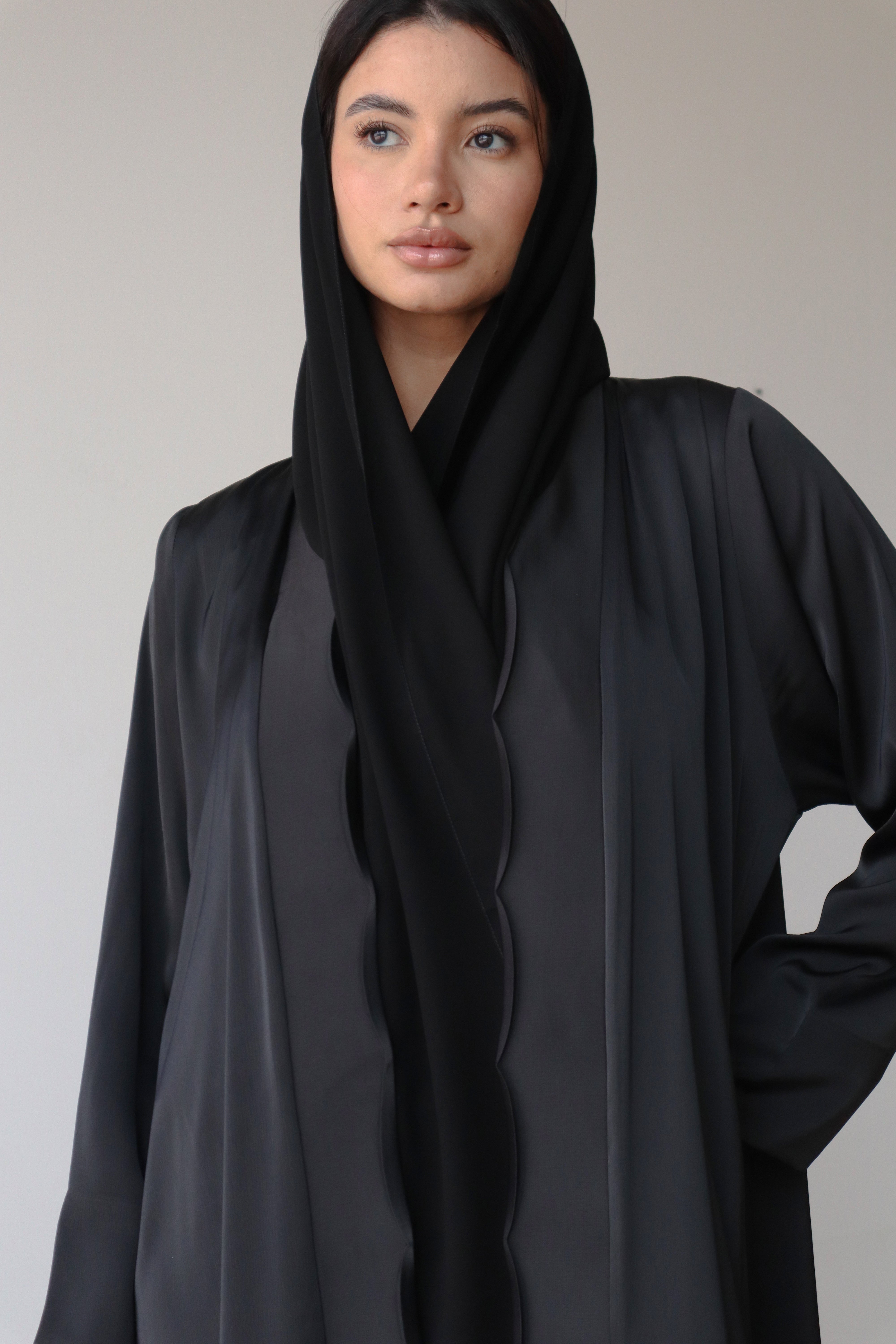
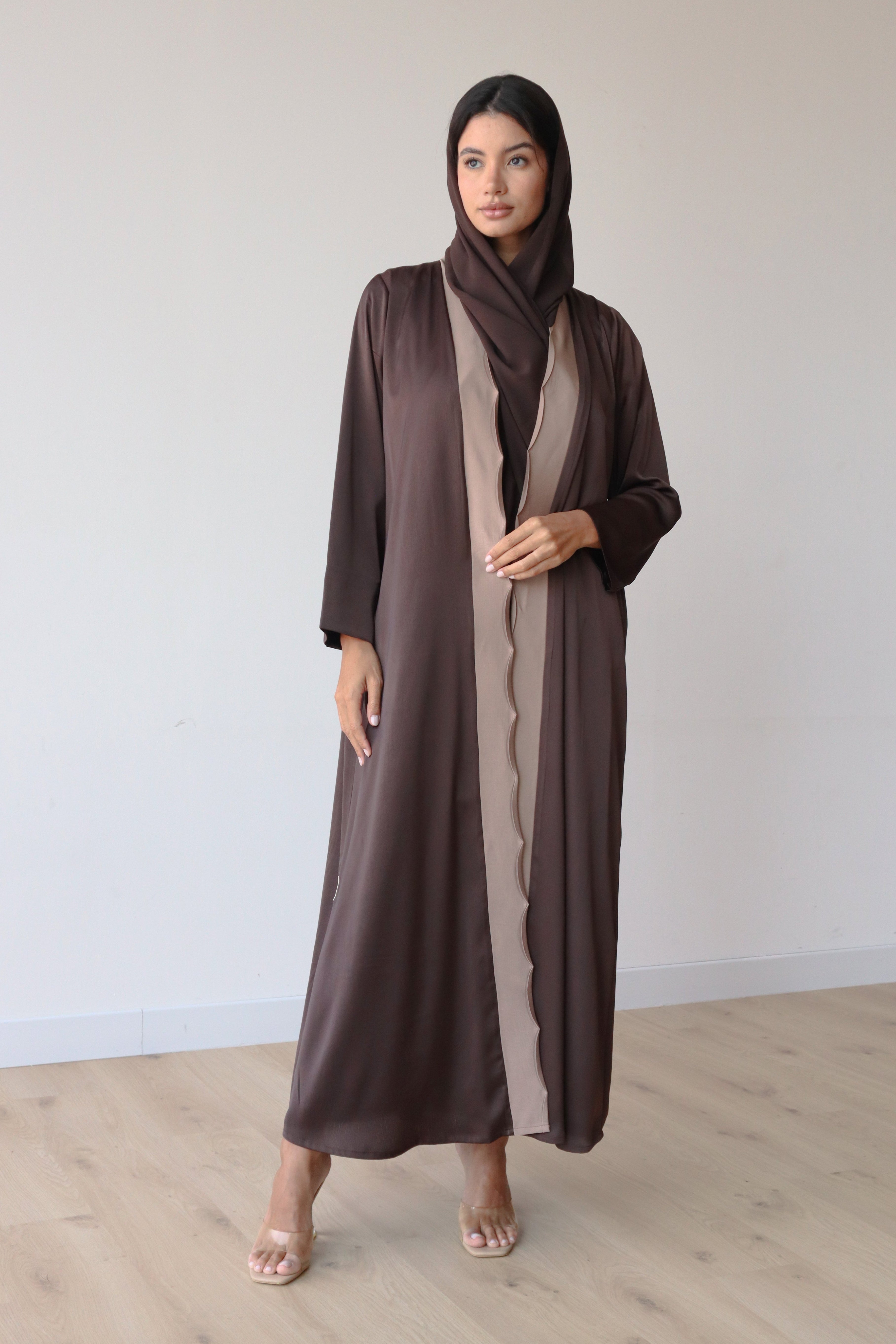
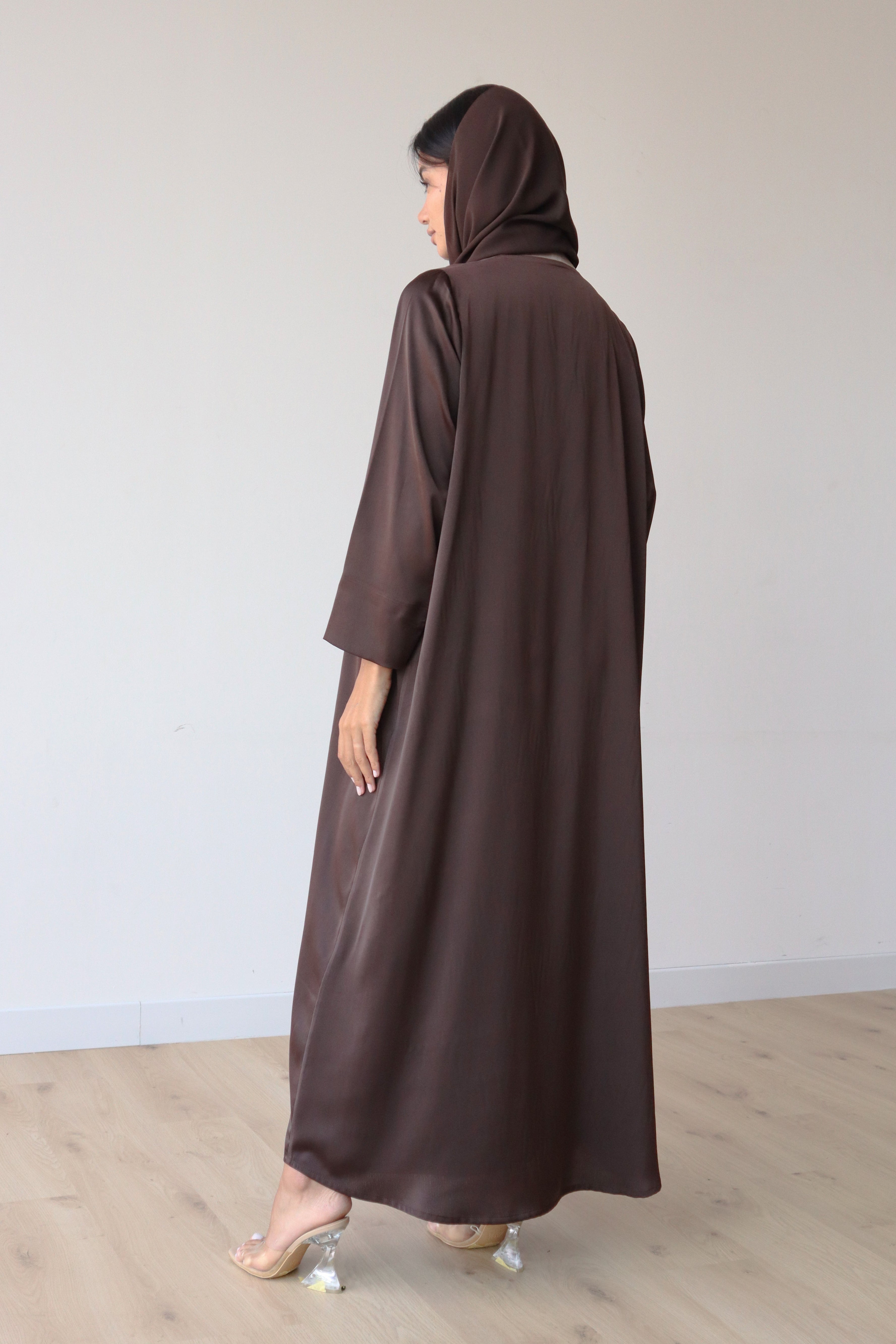
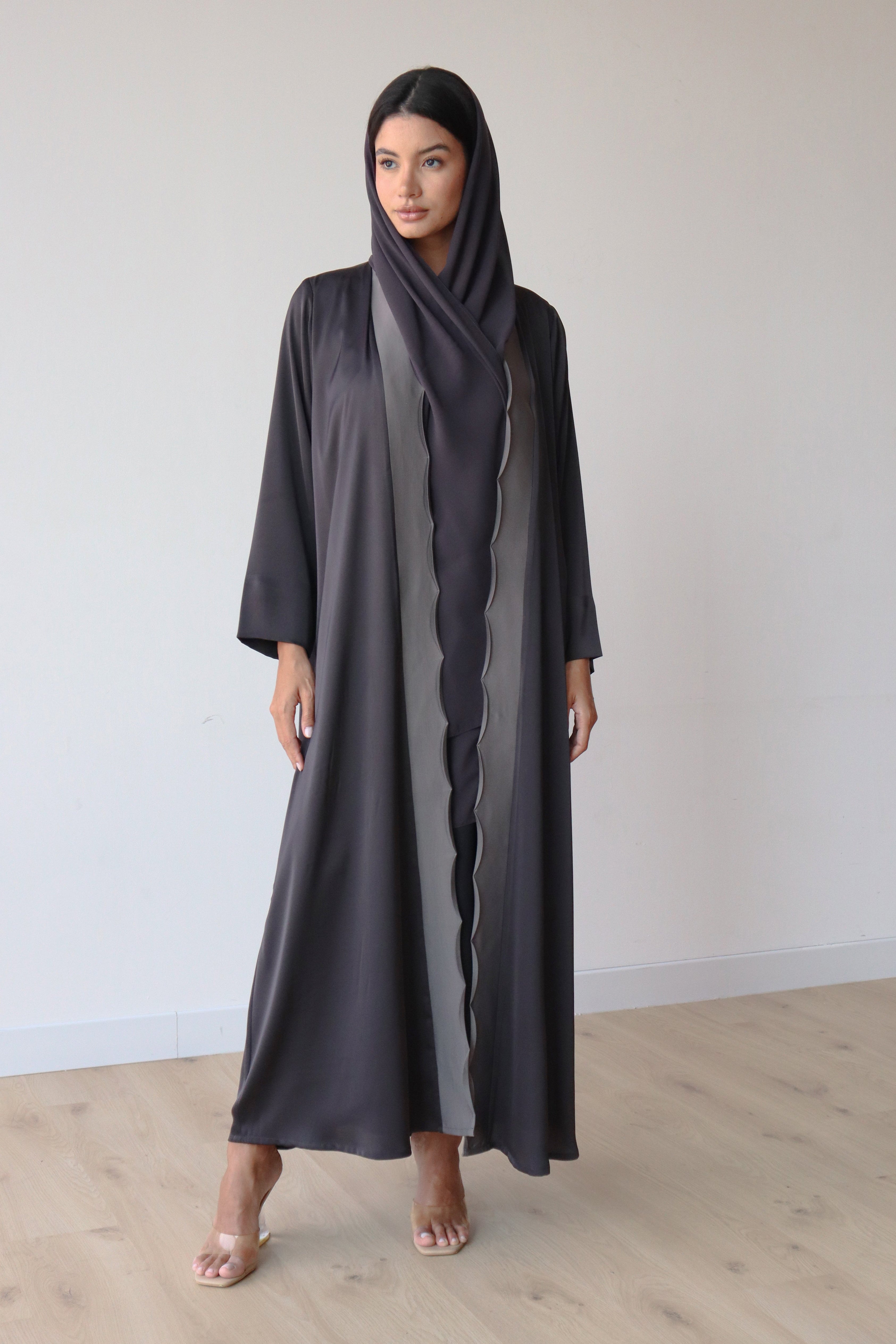
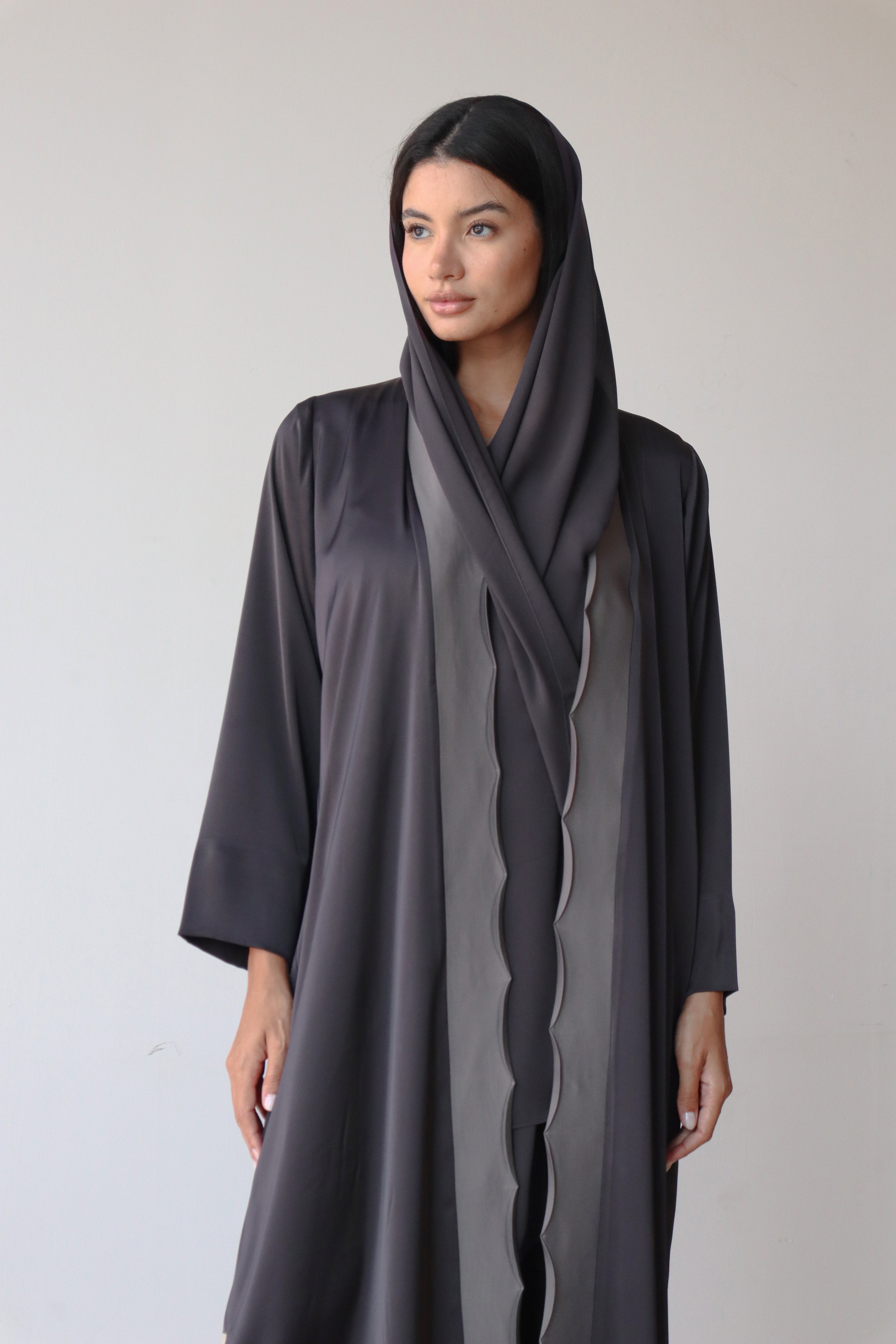
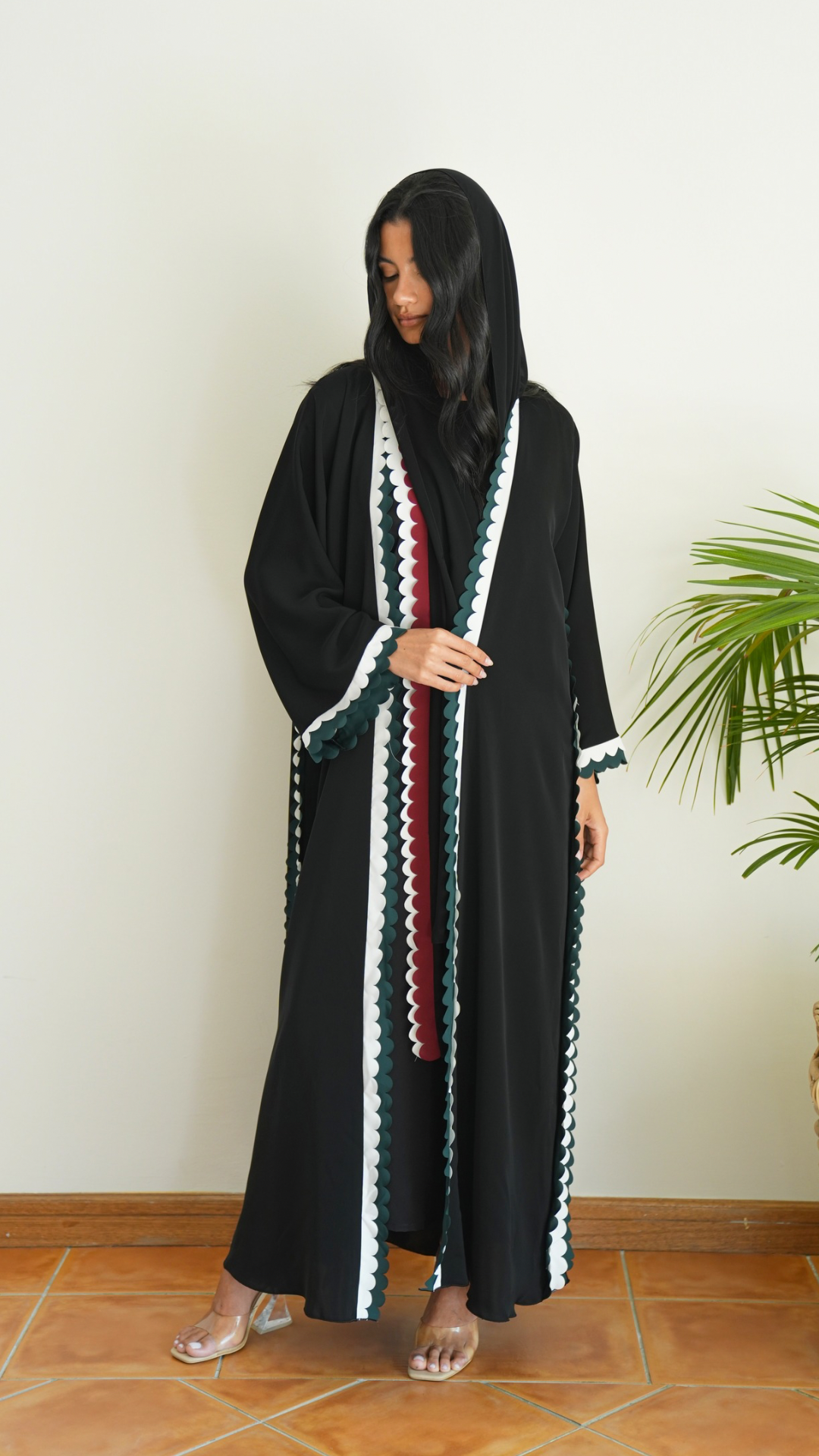
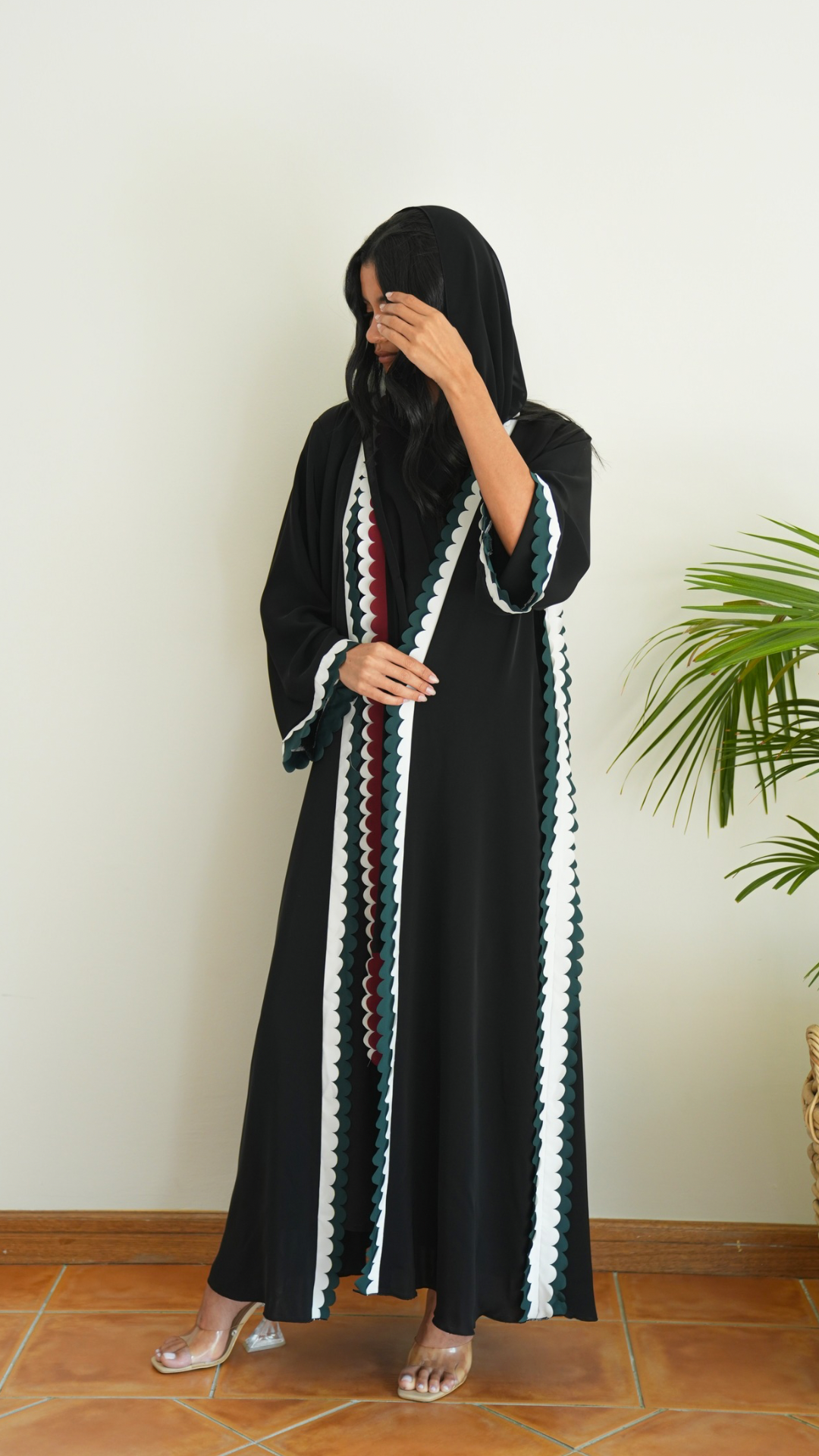
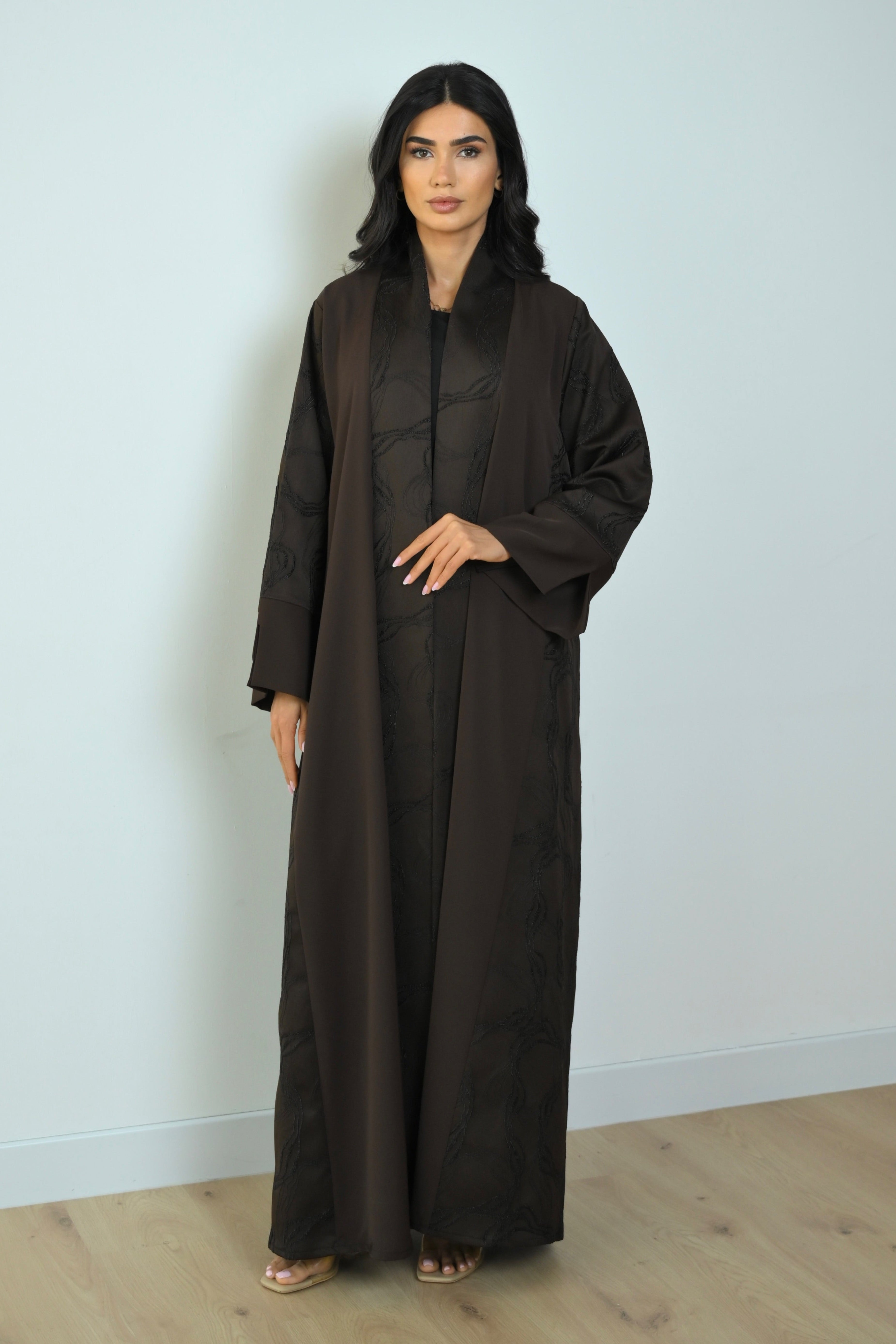
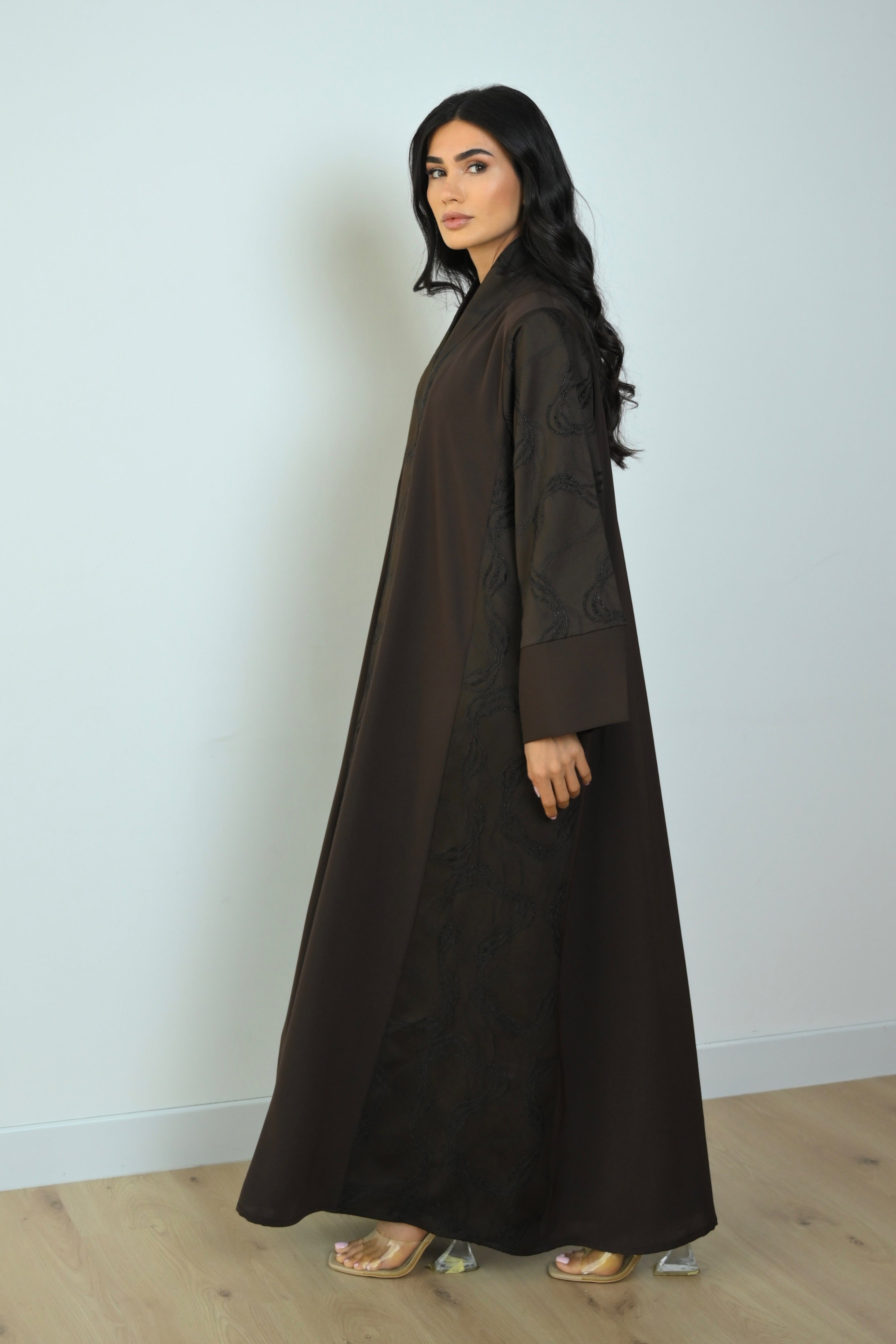
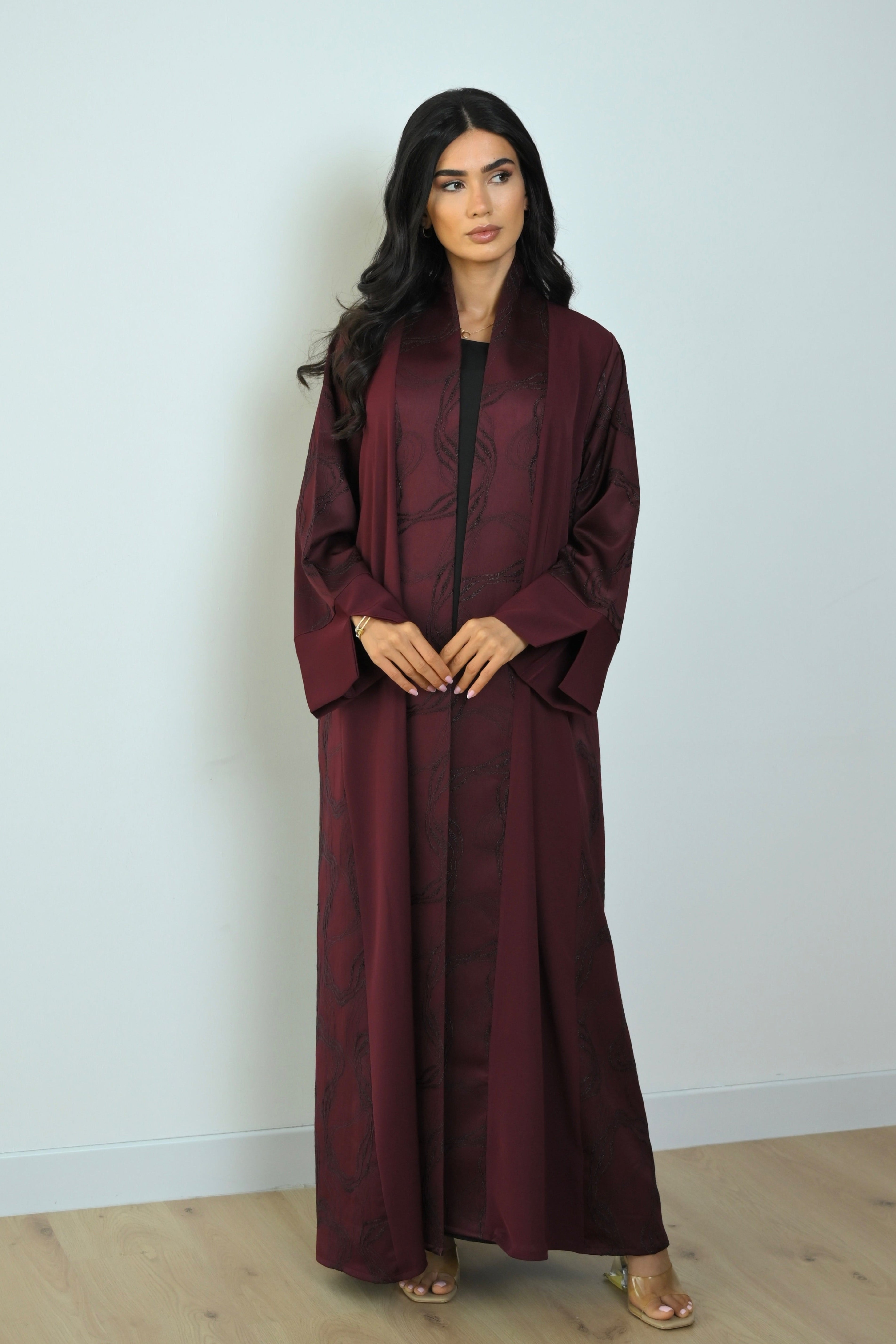
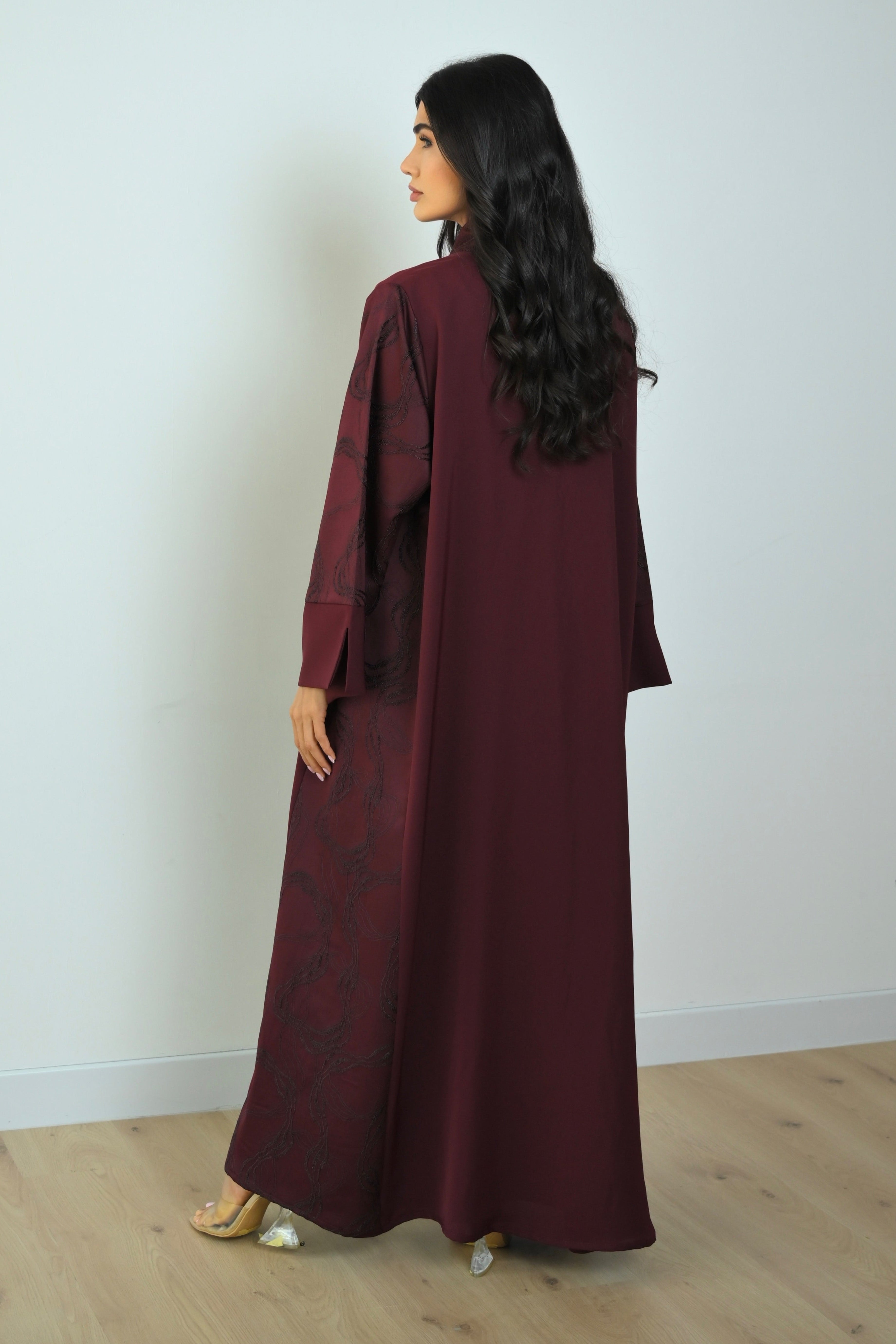
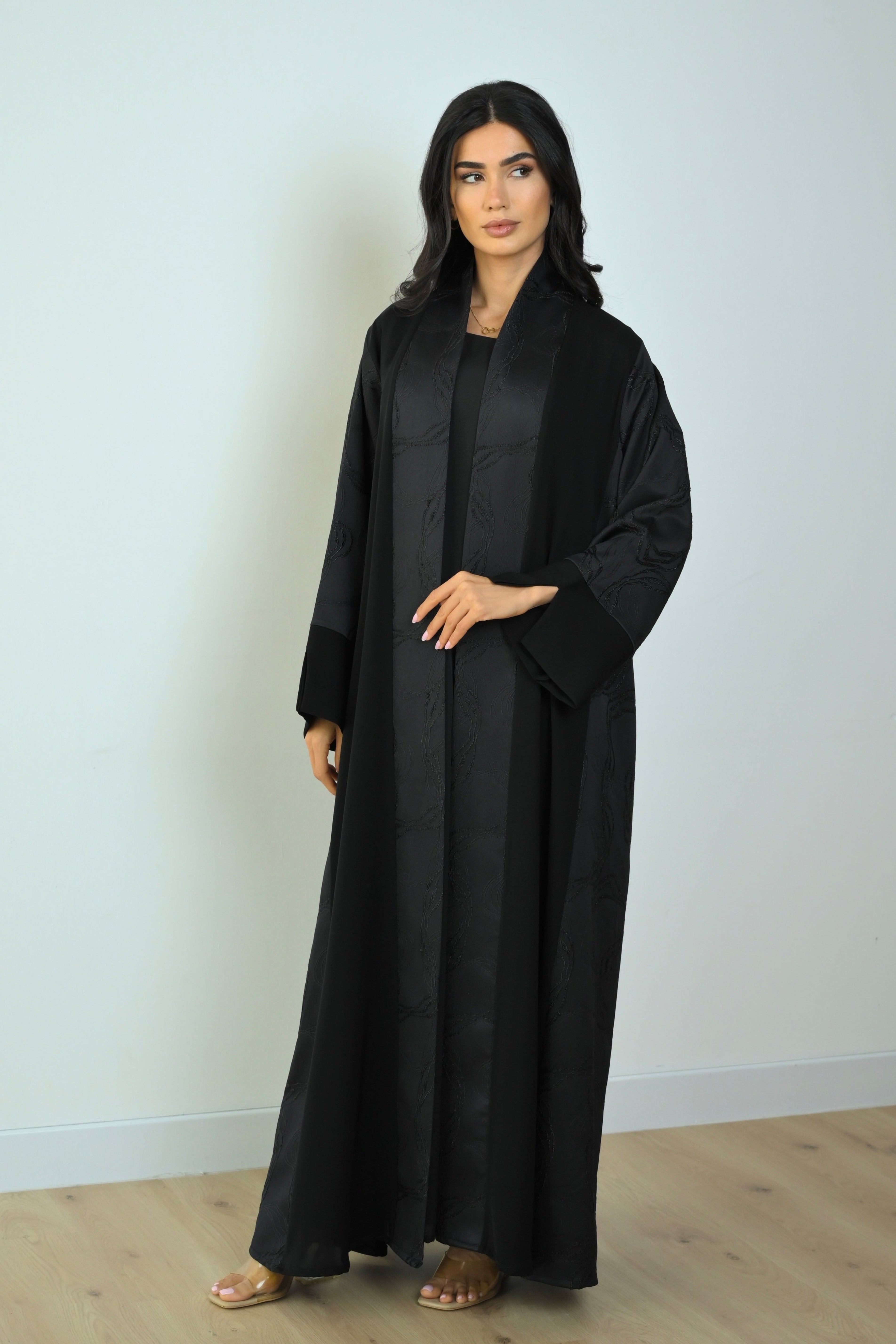
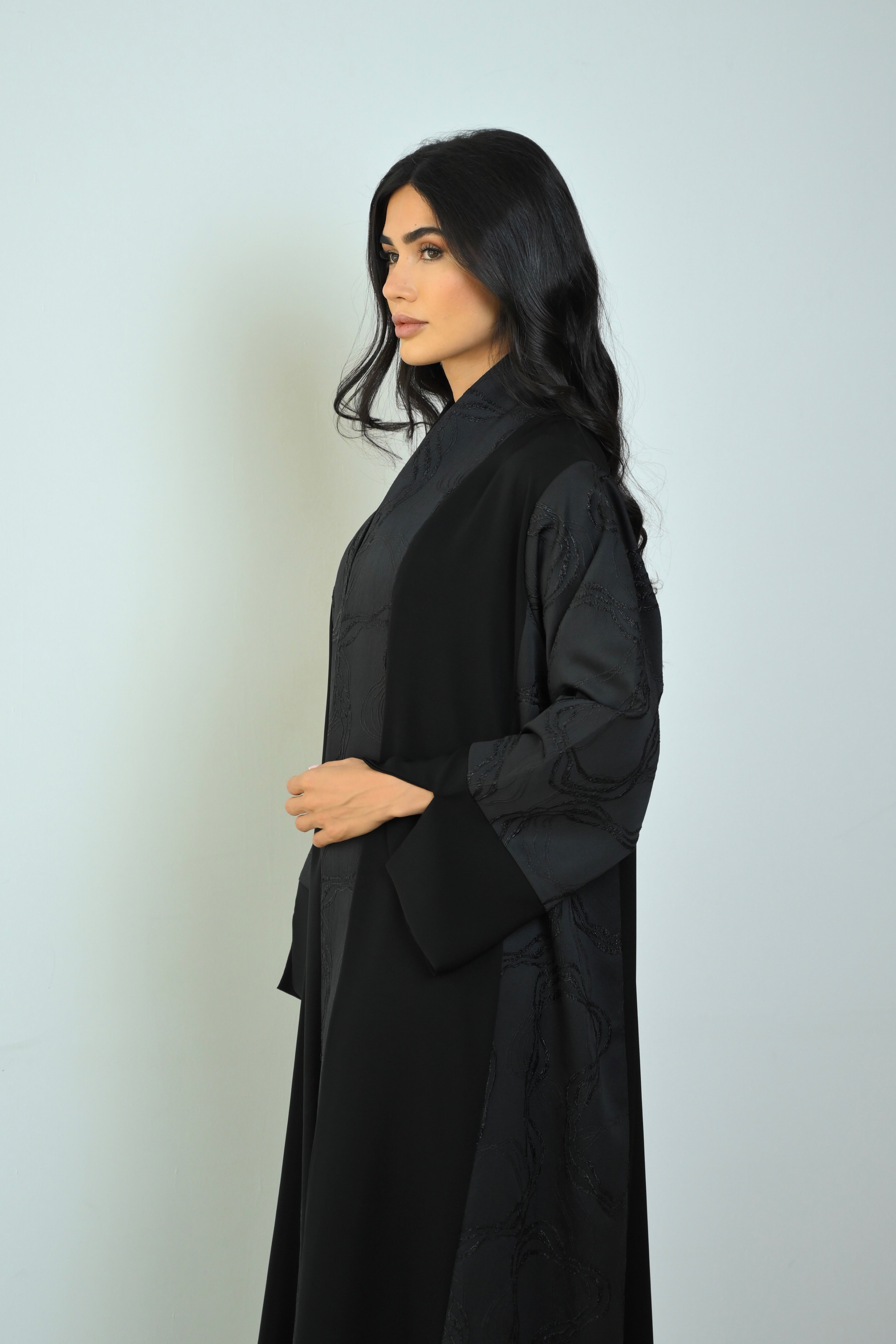
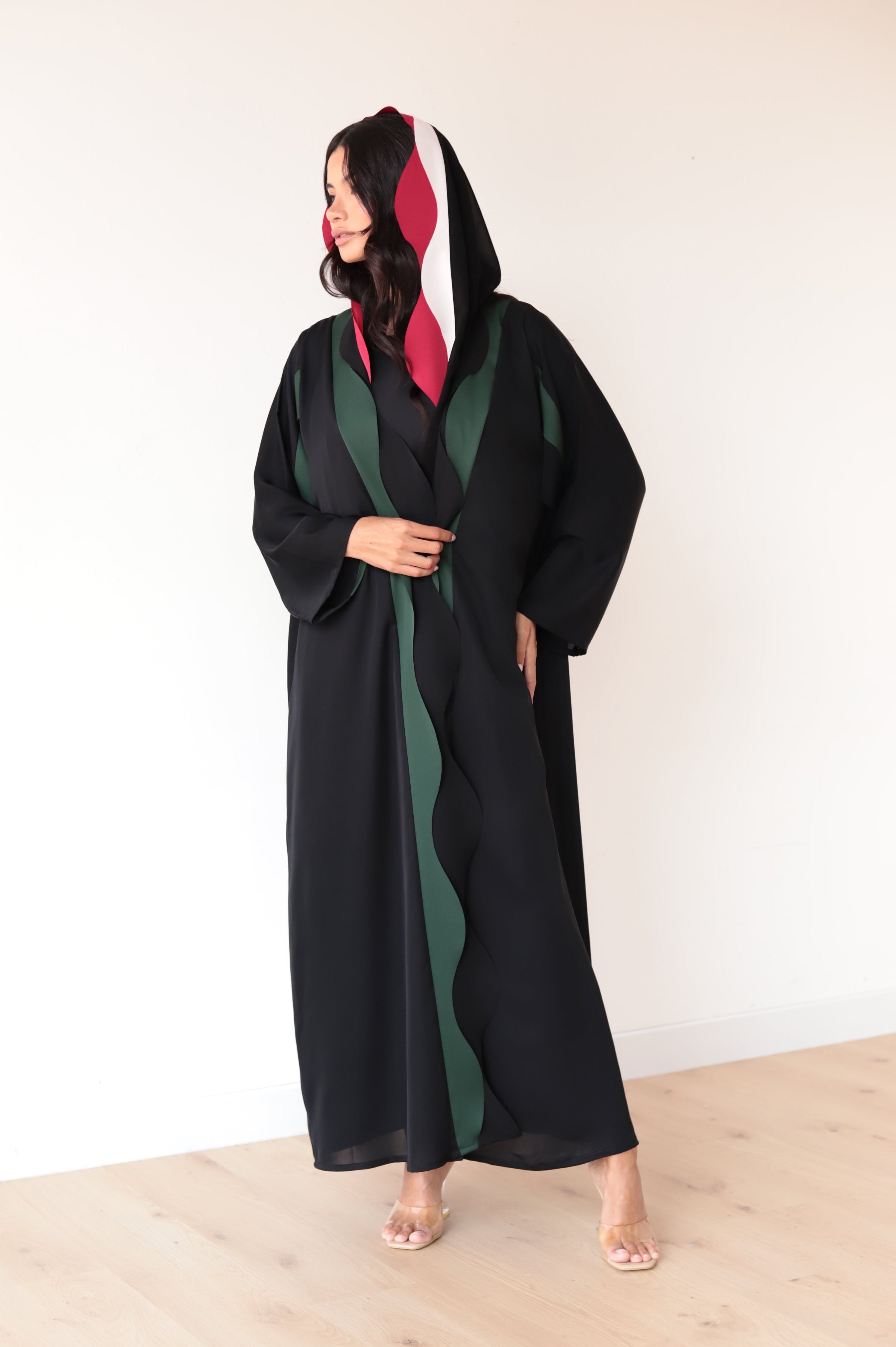
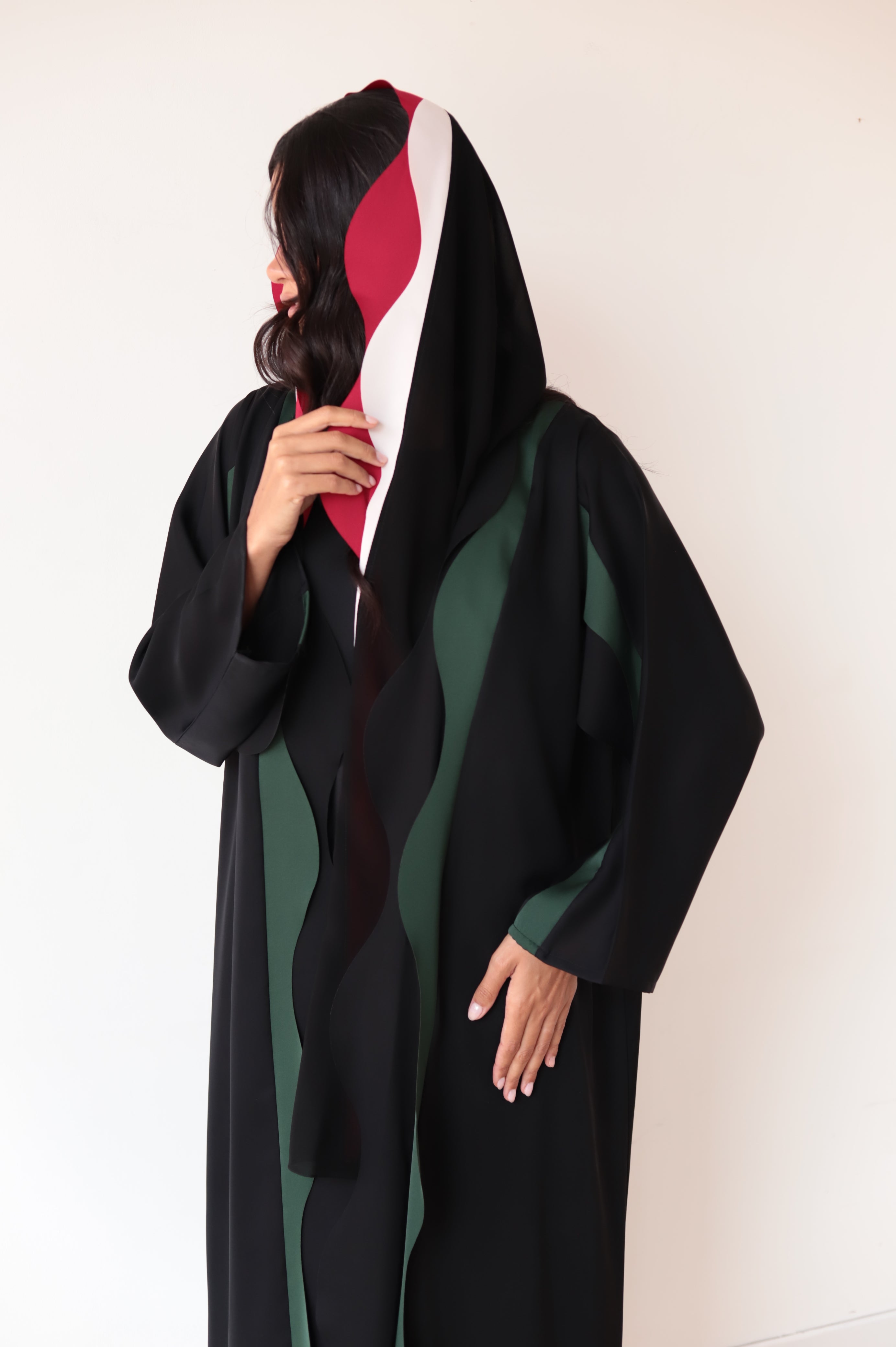
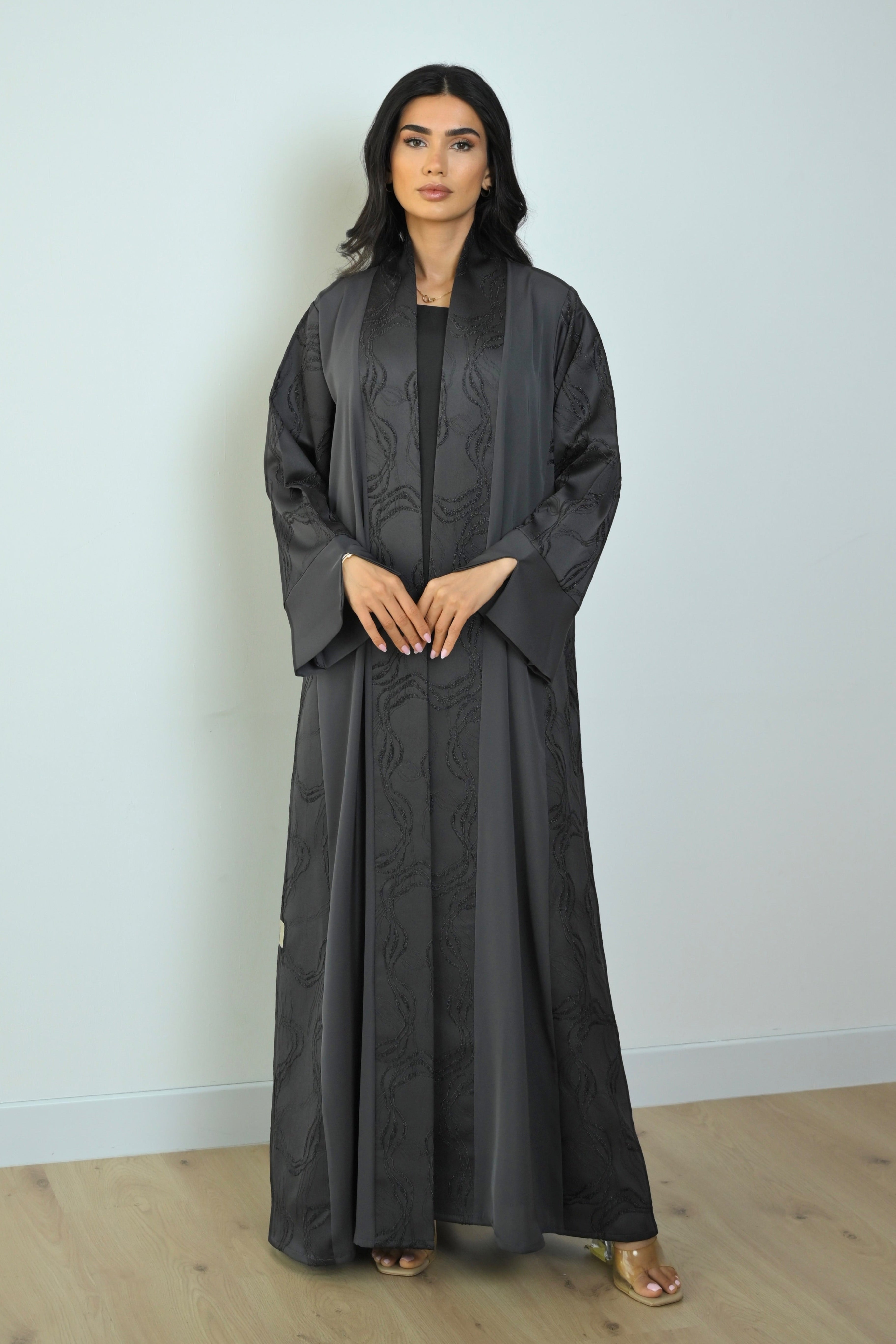
Nida is a premium polyester-based fabric and the single most widely used material for abayas across the Gulf region. It is soft, smooth, lightweight, and fully opaque, giving it a rare combination of qualities that most fabrics only partially deliver. It doesn't wrinkle easily, holds its colour wash after wash, drapes cleanly on the body, and requires very little care. For women in Dubai and the UAE who wear an abaya daily, Nida is the practical choice that never looks like it's trying too hard. It works on a school run, in a meeting room, and at a dinner, without changing the garment.
What is Nida fabric made of?
Nida is made from a blend of polyester and nylon fibres, treated to produce a soft, smooth surface with a subtle sheen. The exact fibre ratio varies by grade and manufacturer. Korean Nida, the premium variant, uses finer fibres and a more refined production process, resulting in better drape, softer hand feel, and longer colour retention compared to standard Nida.
Is Nida fabric see-through?
No. Nida is fully opaque and requires no lining or underdress for coverage. This is one of its most valued qualities for modest wear. Unlike chiffon or organza, Nida provides complete coverage without layering, making it practical and comfortable for everyday use.
Is Nida fabric breathable?
Yes. Despite being a polyester-based synthetic fabric, Nida is lightweight and allows airflow, making it suitable for warm climates including Dubai, the UAE, and the wider Gulf region. It doesn't trap heat against the body and doesn't cling, which are the two main comfort concerns in hot weather.
Does Nida fabric wrinkle?
Nida is one of the most wrinkle-resistant abaya fabrics available. It resists creasing during wear, sitting, and travel, and returns to a smooth finish after washing with minimal ironing. This makes it particularly practical for daily wear and for women who travel frequently.
Can you machine wash a Nida abaya?
Yes. Most Nida abayas are machine washable on a gentle or delicate cycle in cold water with mild detergent. Hang to dry rather than tumble dry. Check the care label on embellished or lined styles, those may require dry cleaning even if the base fabric is Nida.
What is the difference between Nida and crepe abaya fabric?
Nida is smoother, more structured, and more wrinkle-resistant than crepe. It has a subtle sheen and holds its shape throughout the day with minimal maintenance. Crepe has a slightly textured surface, more body, and is often used for formal or embellished designs. Nida is the better choice for everyday wear; crepe is often preferred for occasion pieces.
What is the difference between Nida and Duja Al Lail?
Nida is more structured with a slight sheen, it holds a silhouette and resists creasing. Duja Al Lail is softer and more fluid with a fully matte finish, it drapes more loosely and moves more freely. Women who want a crisp, polished look typically prefer Nida. Women who prefer a softer, more relaxed drape often choose Duja Al Lail.
Why is Nida fabric so popular for abayas in Dubai?
Nida is opaque, lightweight, breathable, wrinkle-resistant, machine-washable, and available in a wide range of colours, all in one fabric. For a garment worn daily in a warm climate where modesty, practicality, and appearance all matter equally, no other fabric in the same price range delivers this combination as consistently. It is the default abaya fabric across the Gulf for these reasons.
How long does a Nida abaya last?
With proper care, gentle machine washing, hang drying, and appropriate storage, a good quality Nida abaya can last several years without significant degradation in shape, colour, or texture. Korean Nida in particular holds its finish and colour notably longer than standard Nida. The fabric's wrinkle resistance and colour retention mean it continues to look presentable well into regular use.
Is Nida fabric good for Hajj and Umrah?
Yes. Nida is one of the most recommended fabrics for Hajj and Umrah. Its lightweight, breathable nature makes it comfortable for extended wear in warm conditions. It is easy to wash and dries quickly, which is important when travelling. Its full opacity and modest drape make it appropriate for the occasion, and its wrinkle resistance means it looks presentable even after long travel days.
Is Nida the Same as Nada Fabric?
Yes, Nida and Nada are the same fabric, referred to by two different spellings depending on the brand or region. Both terms describe the same premium polyester abaya fabric known for its smooth finish, full opacity, and fluid drape.. If you've worn a Nida abaya before and loved it, this is the same material.
What Makes Nida Different from Other Abaya Fabrics?
Most fabrics make a trade-off, breathable but sheer, structured but stiff, smooth but clingy. Nida avoids most of these compromises. It is opaque without being heavy, smooth without clinging, and structured without being stiff. It also holds colour better than many alternatives and is machine-washable, which makes it the most practical daily-wear abaya fabric available. No other fabric in the same price range delivers this combination of qualities consistently.
Is Korean Nida Better Than Regular Nida?
Yes, noticeably so. Regular Nida is a solid everyday fabric, lightweight, opaque, easy to care for. Korean Nida is the premium grade: finer in texture, softer against the skin, with a more refined drape and significantly better colour retention over time. The difference is most obvious in black, Korean Nida black stays deep and consistent after repeated washing, while standard Nida can start to look flat sooner. If you wear your abaya frequently, Korean Nida is worth the price difference.
Does Nida Fabric Feel Hot to Wear in Dubai's Climate?
No, this is one of the most common misconceptions about polyester fabrics. Nida is lightweight and allows airflow despite being fully opaque. It doesn't trap heat against the skin the way heavier fabrics like velvet or jacquard do, and it doesn't cling. In Dubai's year-round warmth, Nida performs better than many natural fabrics precisely because it is breathable without being sheer. It's a fabric designed for exactly this climate.
Does a Nida Abaya Need Dry Cleaning?
No, not typically. This is one of Nida's most practical advantages over more delicate fabrics. Most Nida abayas can be machine washed on a gentle cold cycle with mild detergent, then hung to dry. No specialist care required. For styles with embellishments, embroidery, or added lining, always check the care label, those specific details may require dry cleaning even if the base fabric doesn't. Plain Nida cuts are genuinely low-maintenance.
Not sure which style to choose? See what our customers wear on repeat. Browse Best Sellers →
Can Nida Abayas Be Worn for Both Everyday and Formal Occasions?
Yes, and this versatility is built into the fabric. The subtle sheen of Nida gives it enough visual polish for formal settings, dinners, events, family gatherings, while its lightweight, wrinkle-resistant nature makes it completely practical for daily wear. A black Nida abaya in a clean cut is appropriate across almost every setting without needing to be dressed up or down dramatically. It's the reason Nida has become the default fabric for abayas across the Gulf.
What Colours Work Best in Nida Fabric?
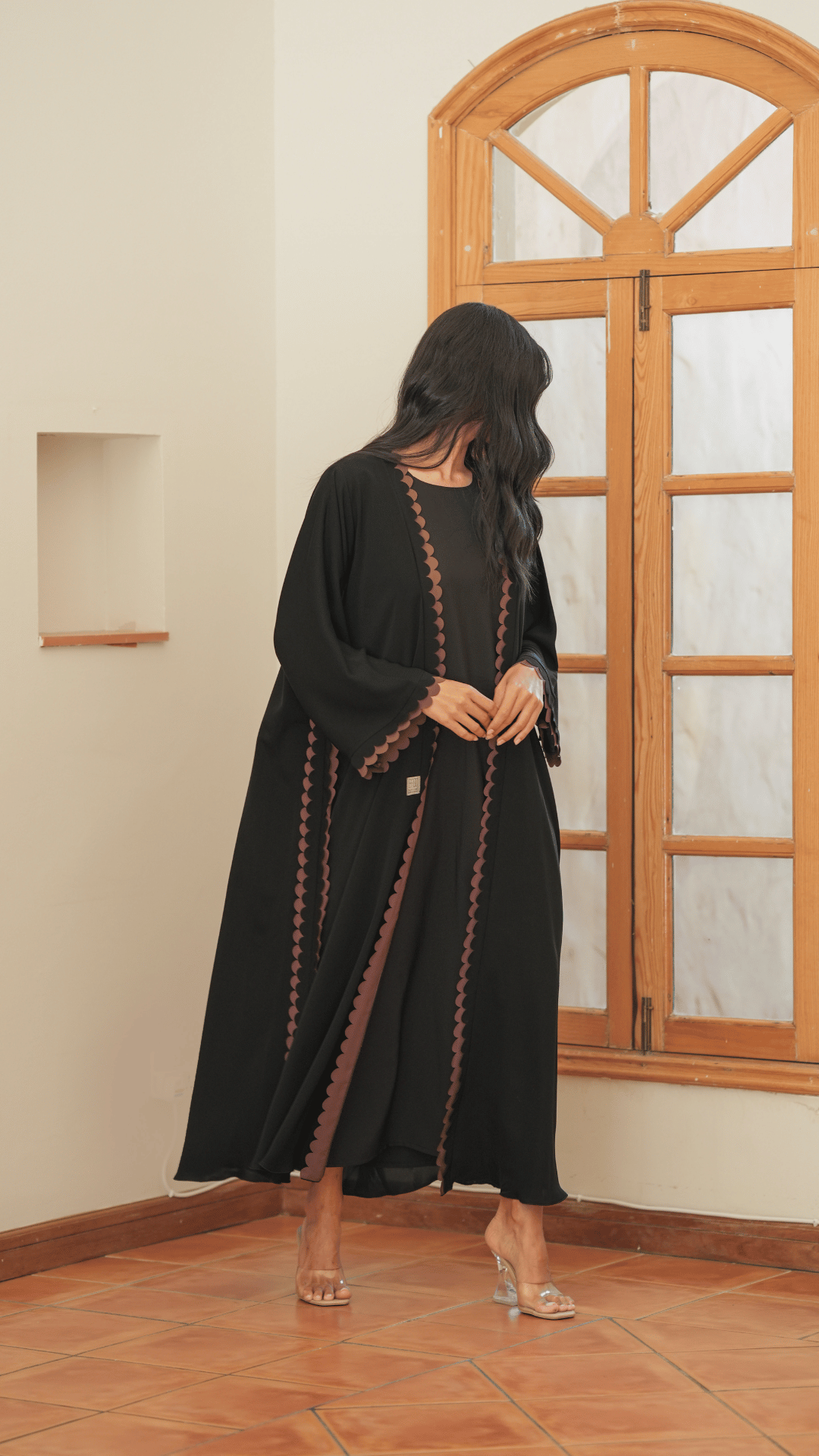
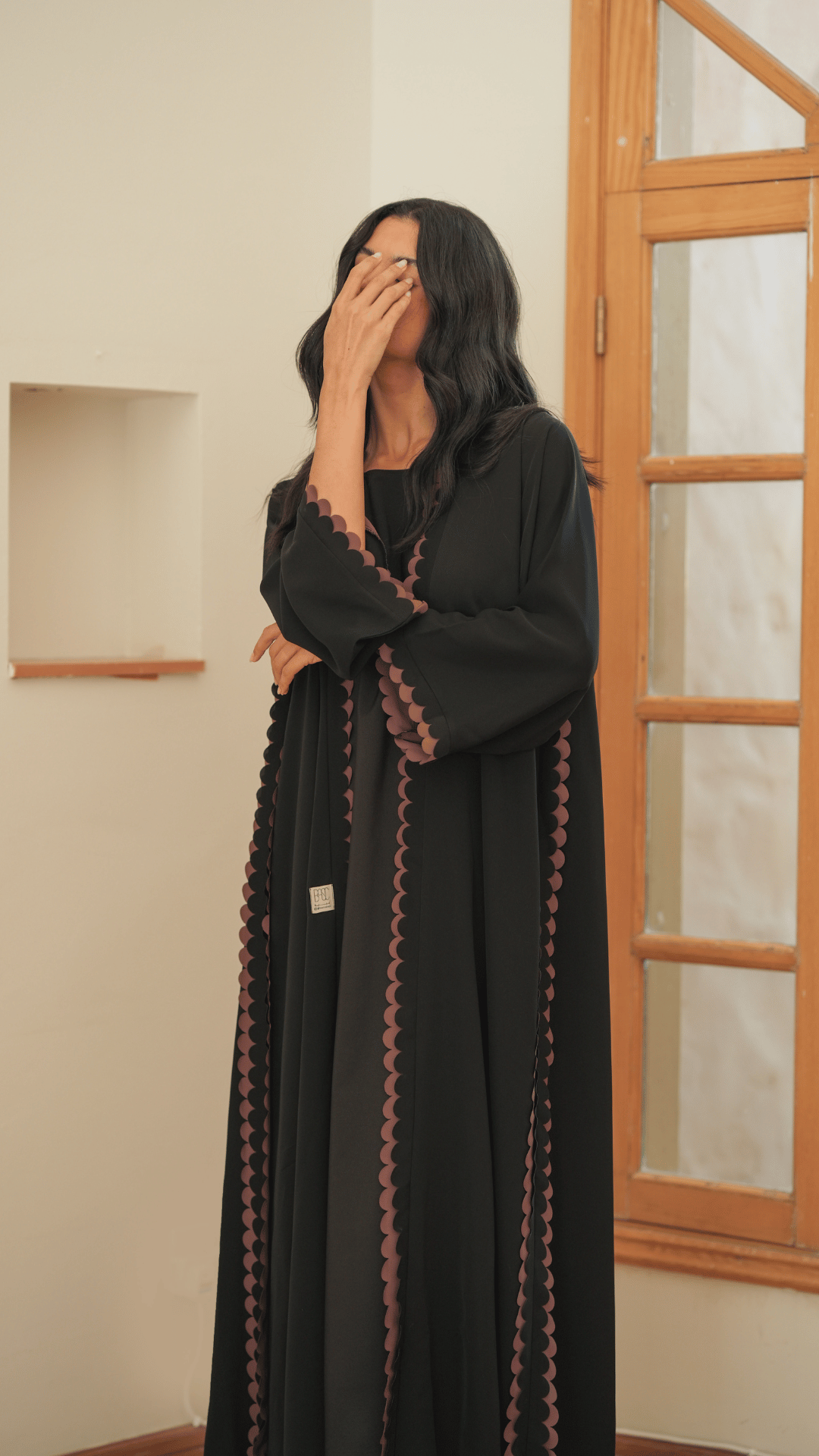
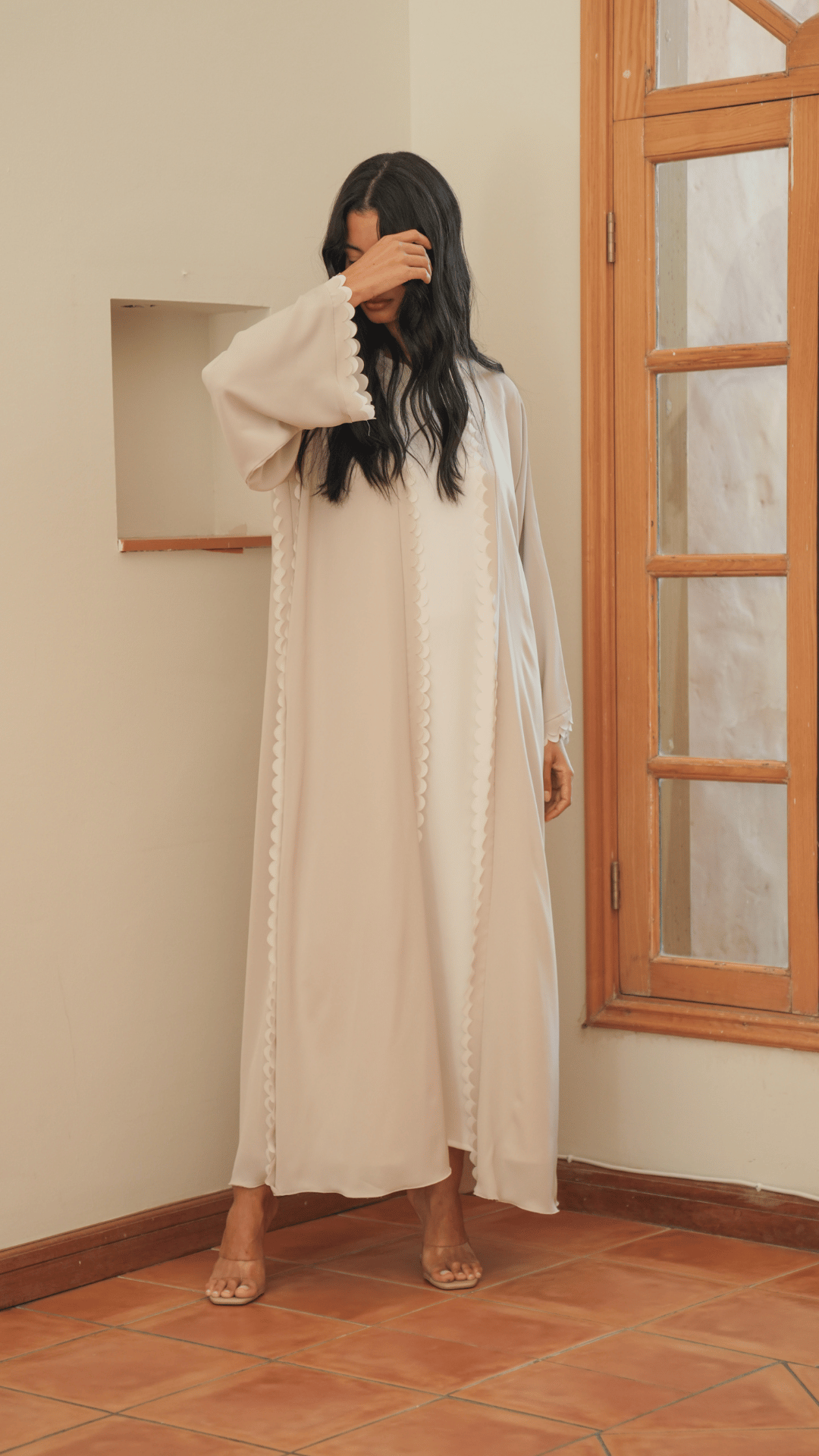
Nida holds colour exceptionally well, particularly in deep tones. Black is the most popular, Nida's opacity gives it a consistent, rich depth that doesn't fade quickly. Navy, dark olive, maroon, charcoal, and burgundy all translate beautifully. Lighter tones, white, nude, and warm grey, are also strong choices because the fabric's opacity means no transparency concerns.
How Do You Care for a Nida Abaya?
Machine wash on a gentle or delicate cycle in cold water using mild detergent. Hang to dry avoid tumble drying as heat can affect the drape over time. Iron on low heat if needed, using a pressing cloth between the iron and fabric to protect the surface. Store hanging rather than folded to avoid crease lines forming along the length. Nida requires less maintenance than almost any other abaya fabric, which makes it genuinely practical for regular wear.
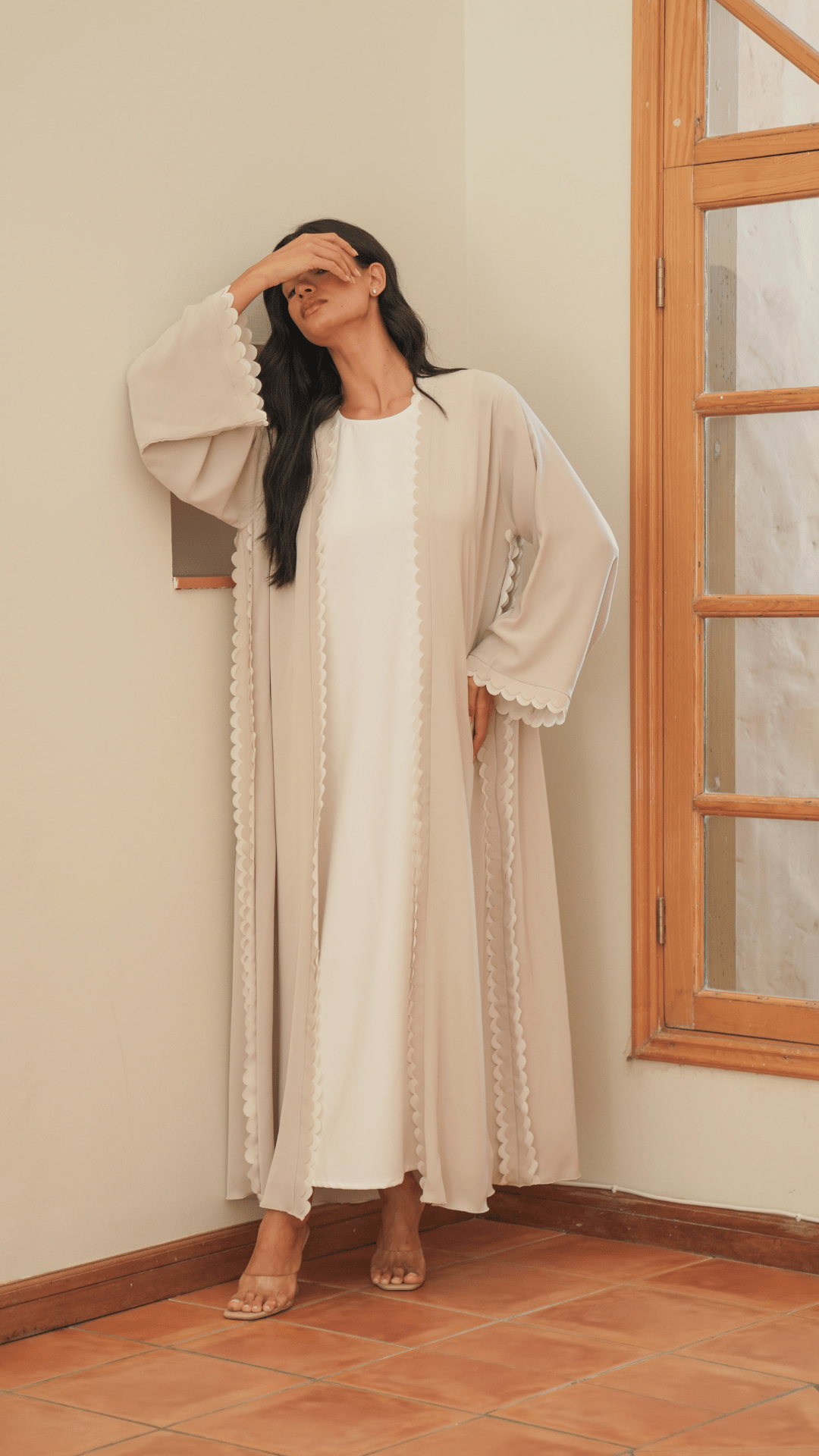
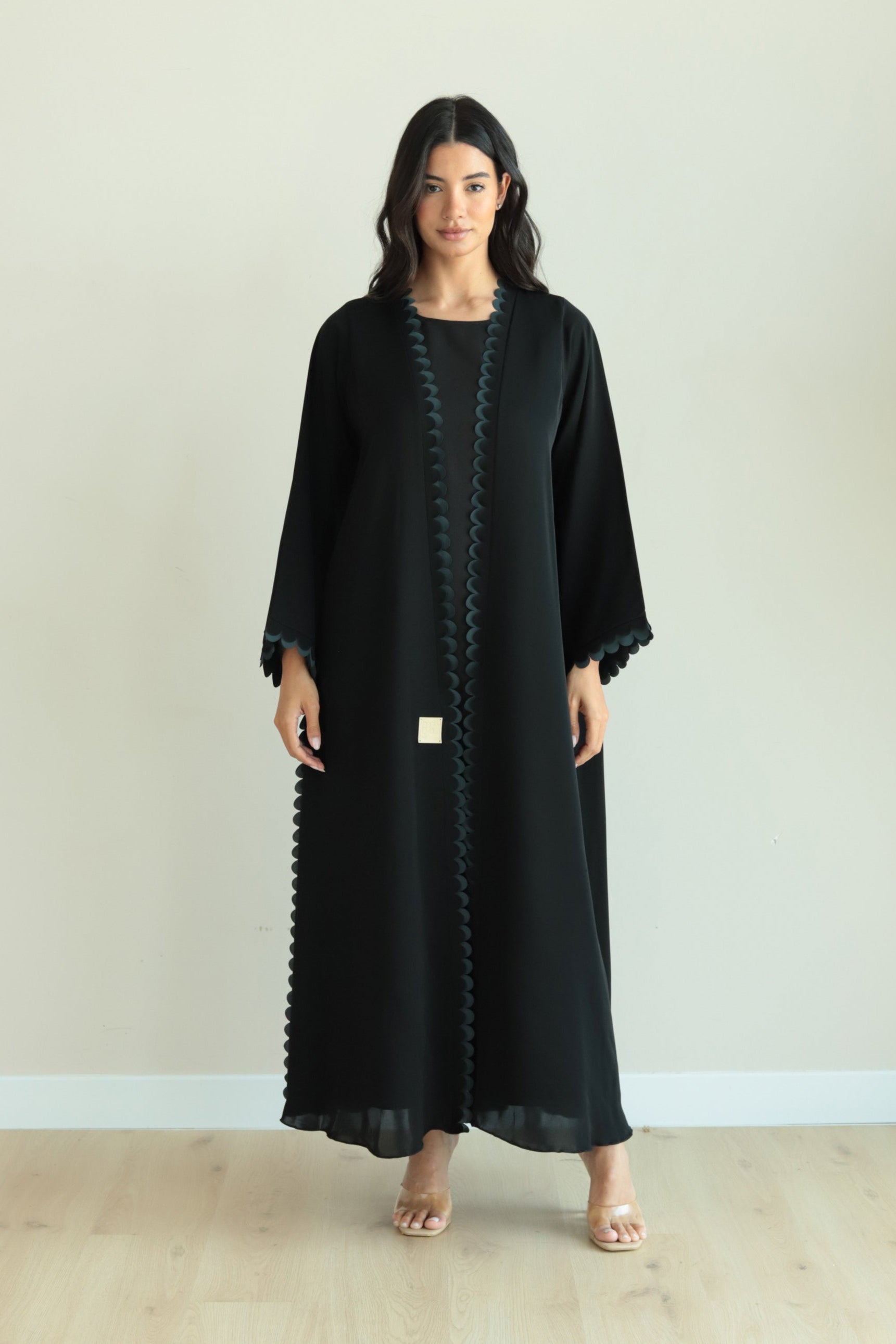
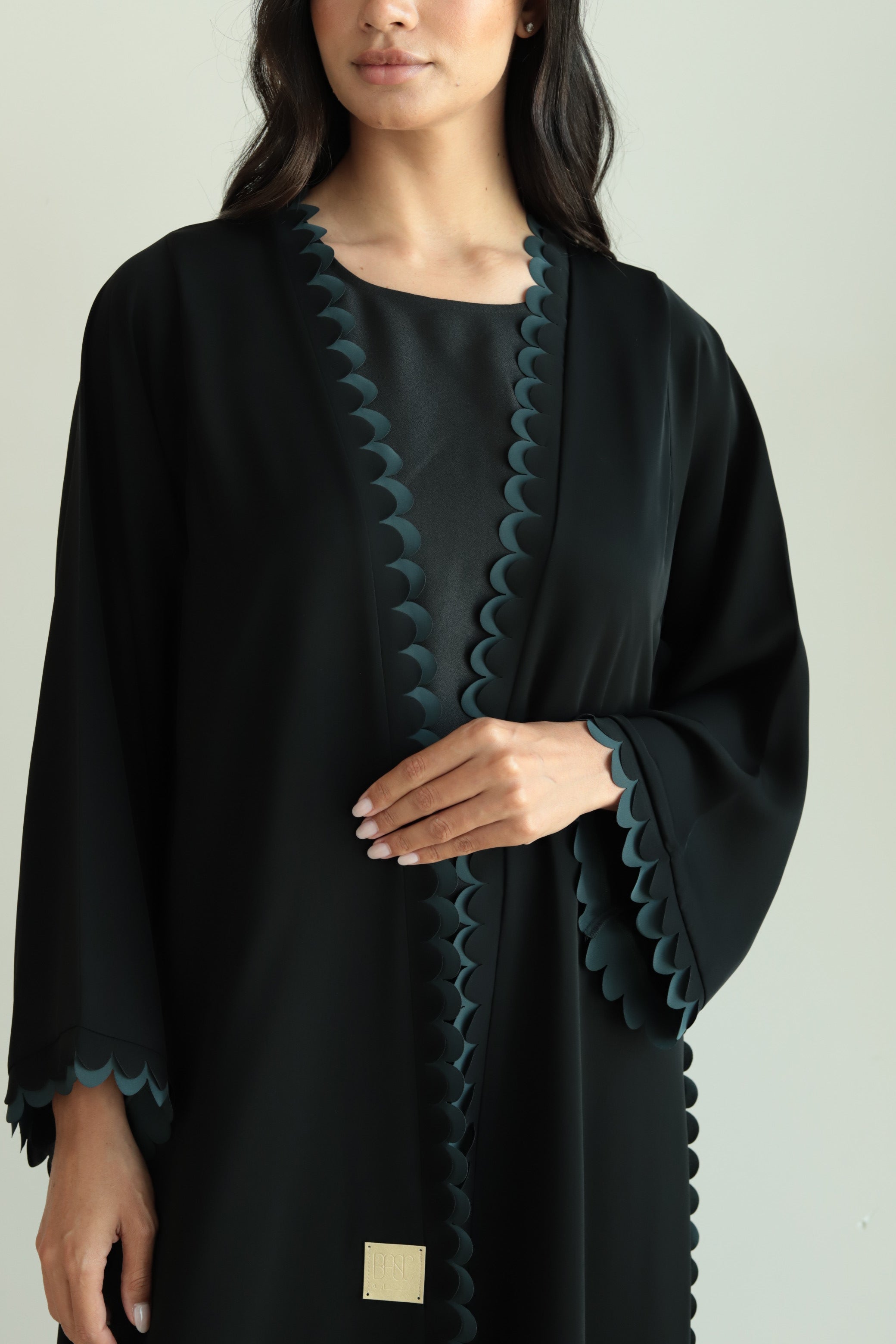
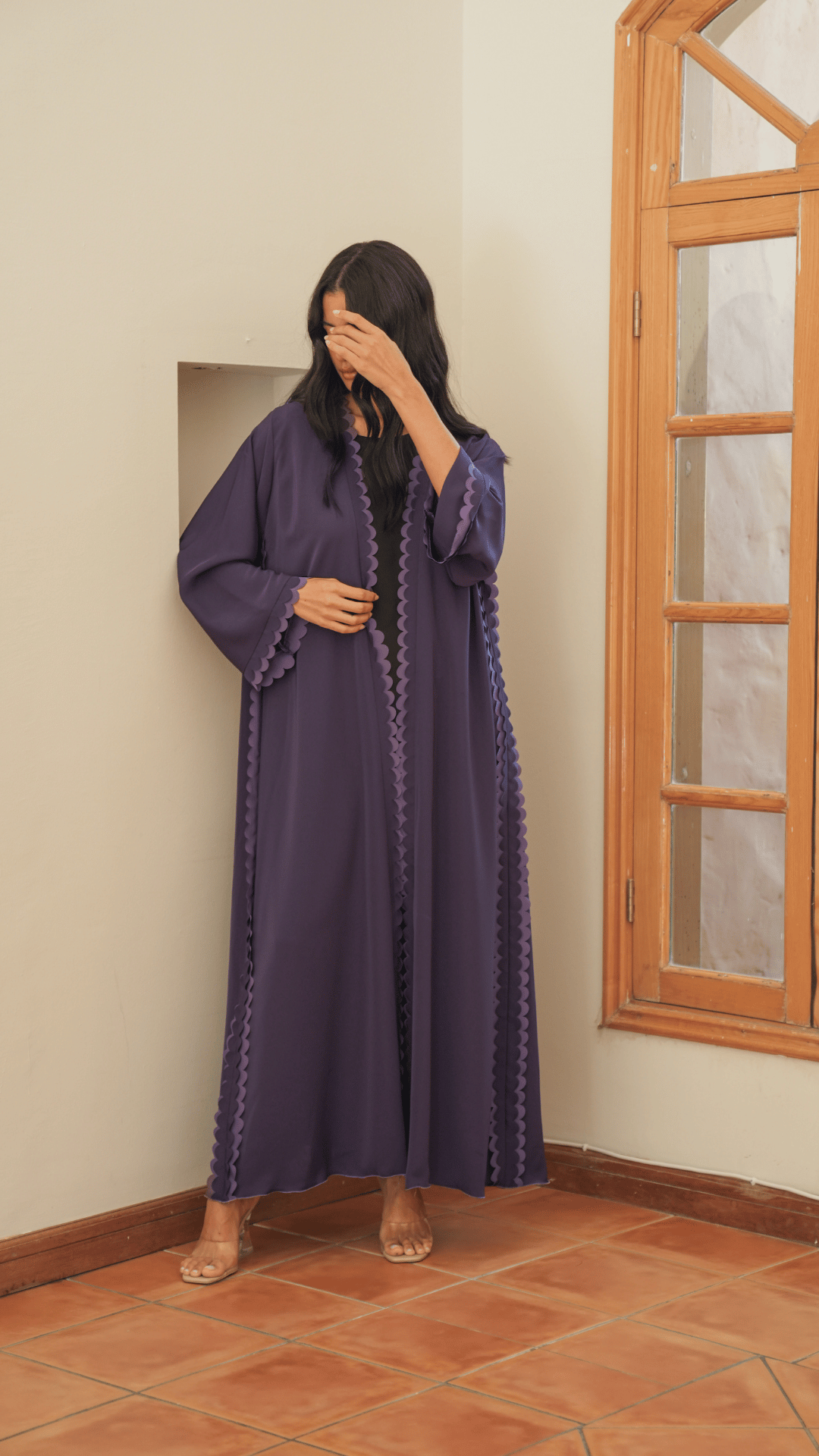
Basic Abaya's Nida collection is cut for real daily wear — clean silhouettes, consistent fabric quality, and custom length options. Styles from AED 300. Shop the Collection